Tag: politics
-
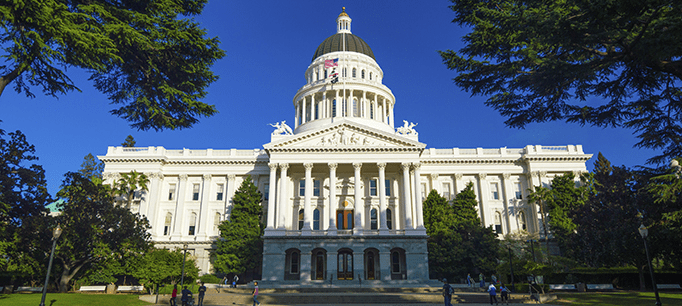
California’s 2026 Law Wave: What Hundreds of New Rules Mean for Families, Workers, and Businesses
California will enact over 900 new laws in 2026, mostly on consumer protections and regulations, igniting debate between supporters who see equity benefits and critics who warn of increased costs and reduced flexibility. These laws span various sectors, affecting daily life, health, education, and public safety, raising concerns about governance and affordability.
-

FOR IMMEDIATE RELEASE – December 14, 2025
The Los Angeles Sheriff’s Department (LASD) has acknowledged that it lacks written policies governing criminal affidavits and the authority of District Attorney Investigators. This absence raises significant concerns about legal standards, due process, and accountability in law enforcement, affecting both the public and defense processes within the county.
-

FOR IMMEDIATE RELEASE — December 14, 2025
On October 6, 2025, the Los Angeles Superior Court held a significant hearing in the case of People v. Giselle Farias Smiel without public access or proper notification. Advocates, including ADA support personnel, were excluded. This breach of transparency undermines First and Sixth Amendment rights, as well as ADA Title II protections, raising serious legal…
-
The Public Has a Right to Know Whether Government Agencies Followed the Law Before Taking Someone’s Freedom.
Los Angeles and San Diego officials are under scrutiny for withholding public records related to the prosecution of Giselle Smiel, raising concerns over transparency and due process. Taxpayer-funded agencies are stalling information requests, undermining public trust in the justice system by obscuring the facts surrounding an arrest that severely impacts a citizen’s freedom.
-
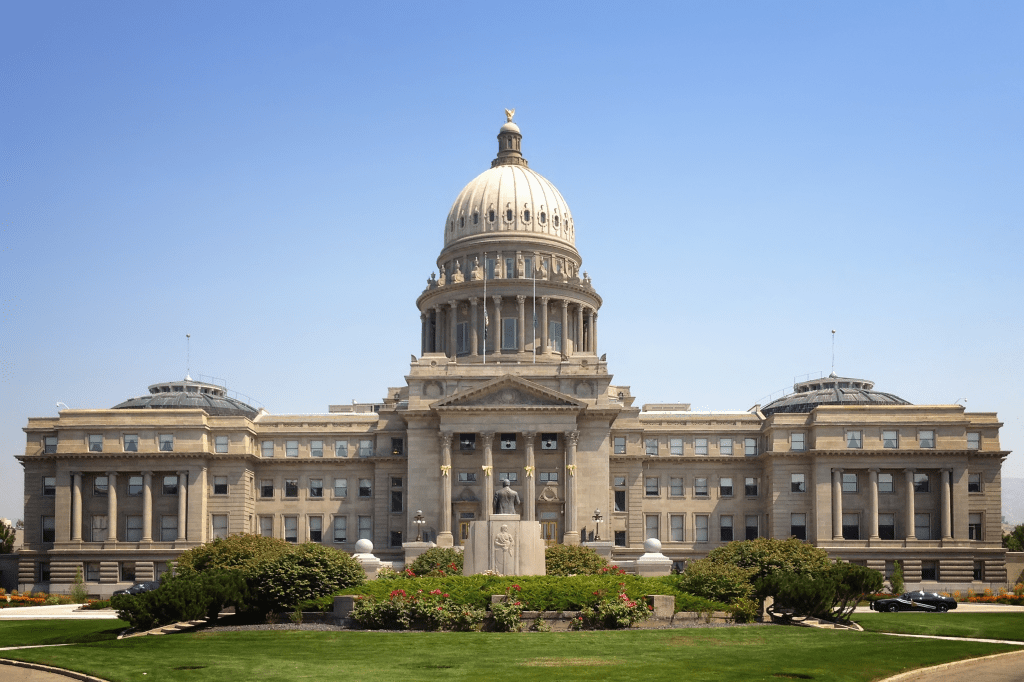
Idaho Lawmakers Move Toward Sweeping Child Custody Reform—With New Penalties for Violations
Idaho lawmakers are set to overhaul child custody laws, addressing years of concerns about inconsistent rulings and parental rights deprivations. The new proposals, driven by the Child Custody and Domestic Relations Task Force, include a presumption of 50/50 joint custody, stronger enforcement measures, and provisions for child safety, aiming for clearer justice in family courts.
-

Oregon Senator Sounds Alarm on Family Courts—Raising Questions Californians Should Not Ignore
Oregon is experiencing increasing scrutiny over family courts, spurred by Senator Suzanne Weber’s concerns about unchecked judicial power and limited transparency. Complaints have emerged from constituents highlighting systemic issues, echoing similar criticisms in California. The lack of accountability and federal funding influences demand nationwide reform, though responses remain sparse.
-
San Diego’s $30 Million Police Payout Over the Killing of 16-Year-Old Konoa Wilson: What Went Wrong, and What Comes Next?
San Diego’s record-setting $30 million settlement over the police killing of 16-year-old Konoa Wilson is more than a financial headline — it’s a warning sign. Despite five years of post-Floyd reforms, a teenager running away from gunfire was shot in the back by an officer who never issued a warning. As investigations stall and taxpayers…
-
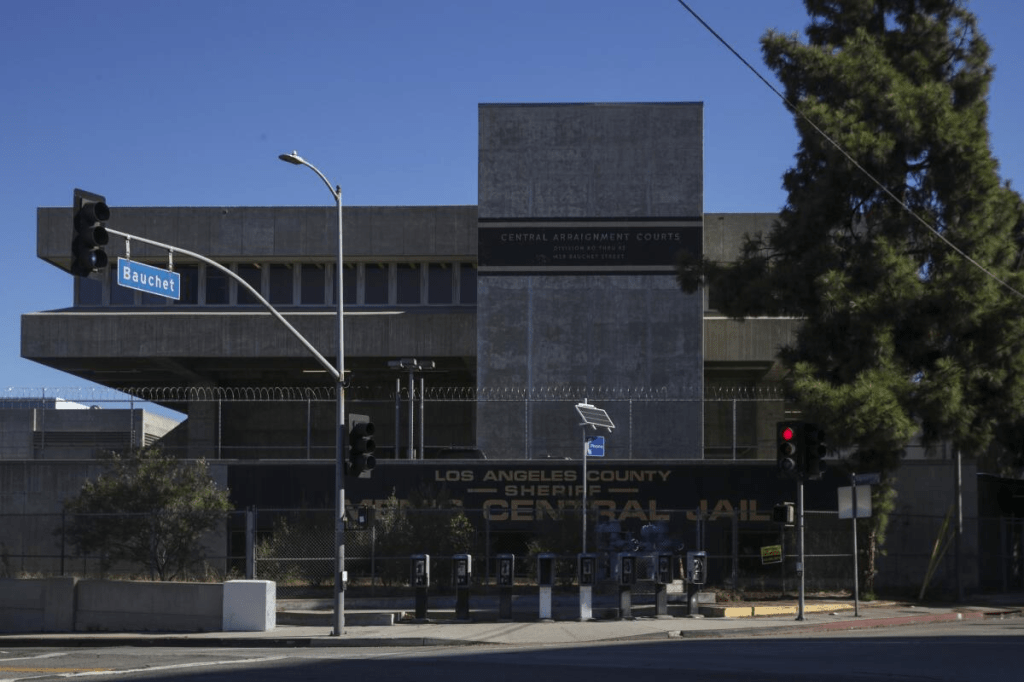
California DOJ Sues Los Angeles County Over “Inhumane” Jail Conditions — What the State Isn’t Saying About Its Own Role
California Attorney General Rob Bonta has initiated a significant lawsuit against the Los Angeles County Sheriff’s Department, alleging severe safety and health violations in county jails. The case highlights systemic issues and questions the state’s responsibility in creating these conditions, though critics argue the lawsuit may expand state control rather than provide meaningful reform.
-
Are Protective Orders in California Criminal Cases Becoming Too Broad?
California’s use of protective orders in criminal cases has expanded, raising concerns about transparency and due process. Blanket orders restricting access to evidence, influenced by resource pressures, can hinder defendants’ rights. Critics call for clearer regulations, increased funding for evidence management, and greater consistency across counties to protect both victims and defendants.
-

Newsom Heads to Washington Seeking $33 Billion for Wildfire Recovery — But Critics Say Sacramento, Not D.C., Caused California’s Crisis
California continues to struggle with recovery from the Palisades and Eaton wildfires, despite Governor Newsom’s request for $33.9 billion in federal aid. Many Californians blame state mismanagement rather than Washington for delays in rebuilding, highlighting failures in infrastructure, vegetation management, and bureaucratic bottlenecks as key issues hindering recovery efforts.
 California Bay News