Tag: mental-health
-

Idaho’s Child Welfare Debate: Protection, Profit, and the Limits of State Power
A heated debate in Idaho raises questions about the effectiveness of child welfare, with critics claiming it prioritizes family separation over protection. The child welfare system is influenced by federal funding that rewards removals. Recent legal challenges and high-profile cases like Baby Cyrus emphasize tensions between parental rights and state intervention, revealing systemic flaws.
-

California Did This First: What Colorado’s New Custody Ruling Reveals About a Longstanding Legal Trend
The Colorado Court of Appeals recently allowed prosecutors to charge a felony per child for violating custody orders, aligning with California’s long-established legal framework. While this approach emphasizes individual harm to each child, it raises concerns over excessive prosecutorial power during family crises, prompting questions about state intervention in vulnerable situations.
-

San Diego Sheriff Wants Up to $3 Billion for New Jails. Taxpayers Deserve Straight Answers First.
San Diego Sheriff Kelly Martinez is seeking up to $3 billion to replace the Vista Detention Facility and upgrade six county jails amid lawsuits, in-custody deaths, and Prop 36 overcrowding. Critics question whether taxpayers should fund massive construction before accountability and mental-health reforms are in place.
-
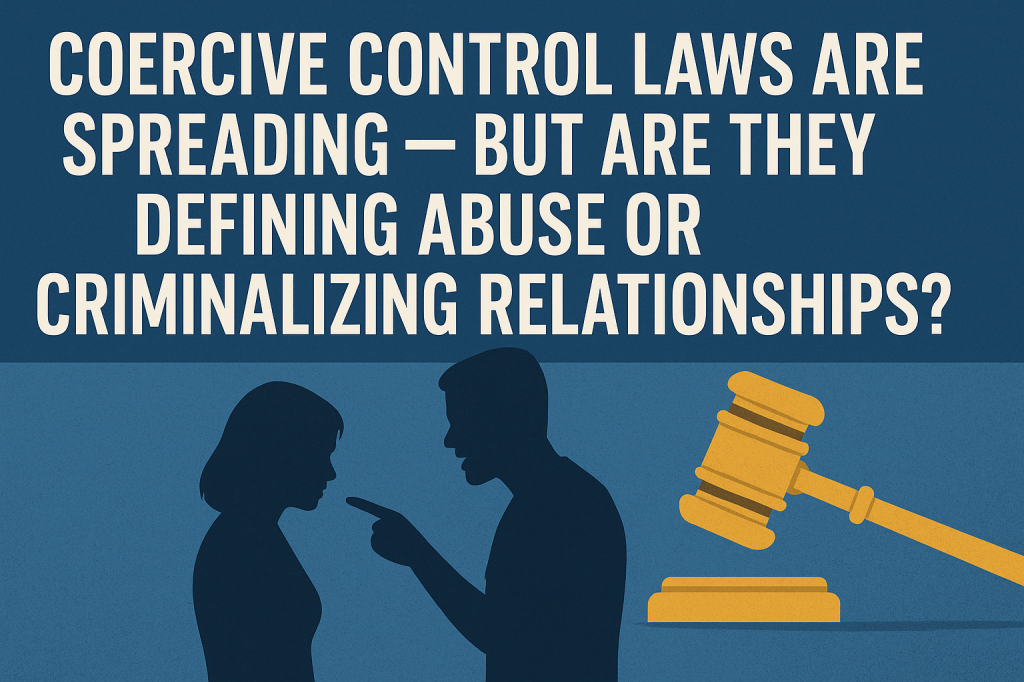
Coercive Control Laws Are Spreading — But Are They Defining Abuse or Criminalizing Relationships?
As states implement coercive control laws to enhance domestic violence protections, a debate arises about the balance between victim safety and potential government overreach. Critics highlight vague definitions and risk of false allegations in custody disputes, while advocating for objective evidence requirements and due process safeguards to protect legitimate victims without eroding constitutional rights.
-
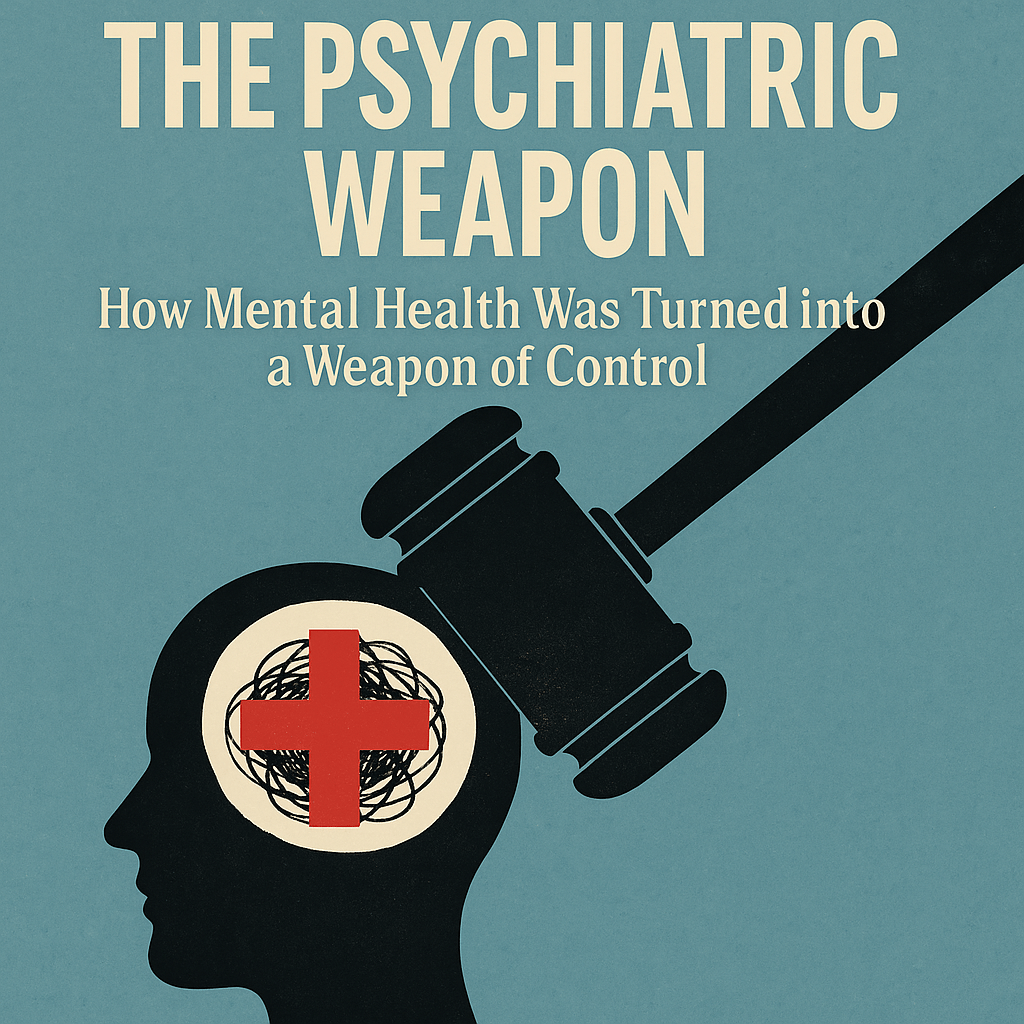
The Psychiatric Weapon: How Mental Health Was Turned into a Weapon of Control
California’s family court system exploits psychological diagnoses to control parents, particularly those with ADHD and PTSD, turning mental health into profit. Through a network of unlicensed evaluators and therapists, parents face financial burdens while their traumas are weaponized against them. Brenna Gano’s case exemplifies systemic dysfunction, showcasing the urgent need for reform.
 California Bay News