
Investigating California Justice, Courts, and Government Accountability.
-

Bob Chesney to UCLA: Why the Bruins Just Landed the Perfect Builder for a Program Desperate for Stability
UCLA football has hired Bob Chesney, an experienced coach with a 132–51 record, to revitalize the struggling program after a 3–9 season. Known for his positive leadership style and ability to develop talent, Chesney aims to implement his proven system at UCLA, attracting recruits and fostering a winning culture.
-

Amazon Backs Out of Massive “Project Blue” Data Center Campus in Arizona
Amazon Web Services has withdrawn from a significant data center project in Mesa, Arizona, leading to community concerns about transparency and economic impact. The abrupt exit follows rising construction costs, regulatory scrutiny, and water resource conflicts. Residents are left questioning past commitments and the negotiation process, highlighting broader issues with Big Tech projects.
-

Oregon Judge Fines Attorney $2,000 for AI-Generated Errors — A Warning Shot to Courts Nationwide
An Oregon judge fined an attorney $2,000 for submitting an AI-generated legal filing that contained errors like fictitious cases and fabricated quotes. This case underscores growing concerns about lawyers relying on AI without proper verification. The ruling signals stricter enforcement of ethical standards and responsibility for accuracy in legal documents.
-

Newsom Heads to Washington Seeking $33 Billion for Wildfire Recovery — But Critics Say Sacramento, Not D.C., Caused California’s Crisis
California continues to struggle with recovery from the Palisades and Eaton wildfires, despite Governor Newsom’s request for $33.9 billion in federal aid. Many Californians blame state mismanagement rather than Washington for delays in rebuilding, highlighting failures in infrastructure, vegetation management, and bureaucratic bottlenecks as key issues hindering recovery efforts.
-
California’s 2026 Laws: What Concerned Citizens Need to Know About the State’s Next Wave of Regulation
California is implementing numerous new laws in 2026 affecting various sectors, including tenant privacy, insurance practices, and law enforcement. Supporters argue these measures enhance protections and transparency, while critics warn they may increase costs and regulatory burdens. The overall sentiment raises questions about their effectiveness in addressing fundamental issues.
-

Portland’s Empty ‘Affordable’ Apartments Are a Warning to California
Portland’s housing policy faces criticism as nearly 1,900 subsidized units remain vacant amid a homelessness surge of 60-67% since 2023. Issues include bureaucratic inefficiencies, high rents for low-income families, and competition from market rates. Despite spending over $1.3 billion, the crisis worsens, raising concerns for similar policies in California.
-

Border Patrol’s Warrantless Raid on Arizona Aid Camp Sparks Legal and Civil Liberties Questions
By Michael Phillips | CABayNews U.S. Border Patrol agents carried out a rare warrantless raid on a humanitarian aid camp in the Arizona desert last month, triggering new scrutiny over federal enforcement tactics and raising questions about whether the agency exceeded its legal authority. The November 23 operation targeted Byrd Camp, a small network of…
-
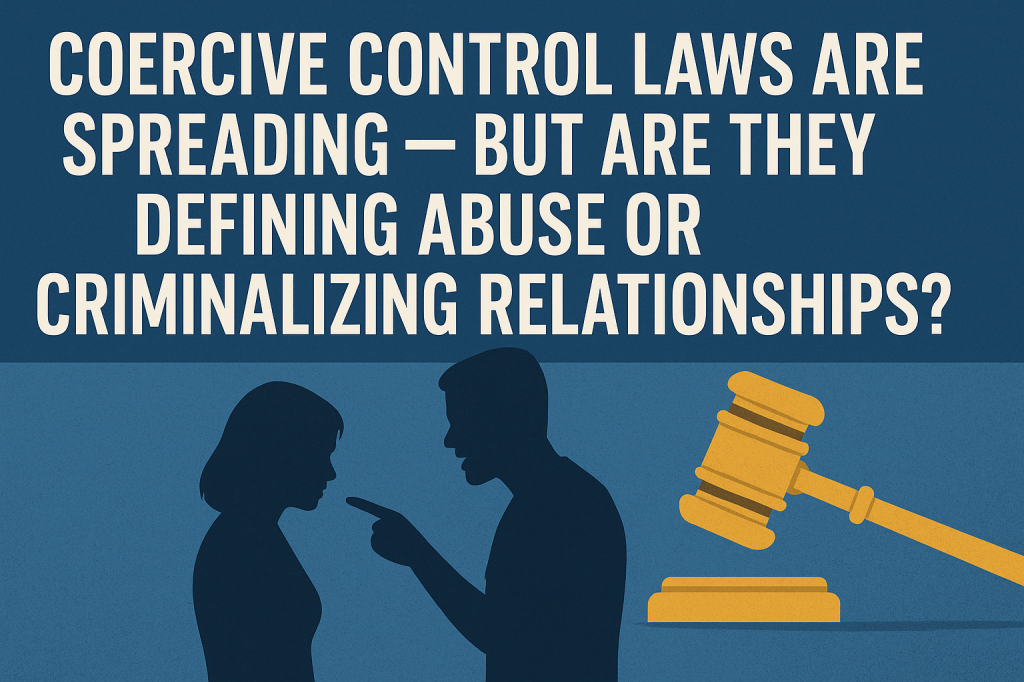
Coercive Control Laws Are Spreading — But Are They Defining Abuse or Criminalizing Relationships?
As states implement coercive control laws to enhance domestic violence protections, a debate arises about the balance between victim safety and potential government overreach. Critics highlight vague definitions and risk of false allegations in custody disputes, while advocating for objective evidence requirements and due process safeguards to protect legitimate victims without eroding constitutional rights.
-
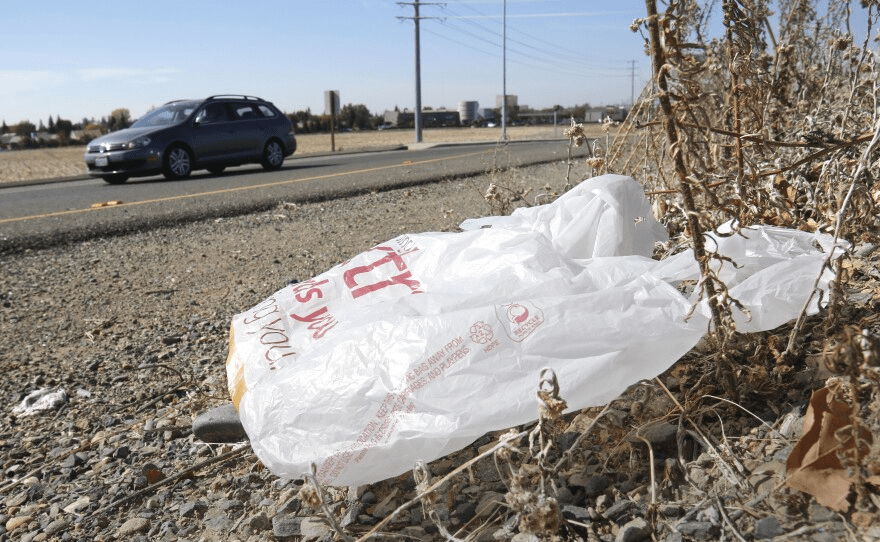
California’s Plastic Bag Ban Is Failing — Because Sacramento Won’t Admit When Its Policies Don’t Work
California’s 2016 plastic-bag ban, intended to protect the environment, has led to increased plastic use and waste. Thicker “reusable” bags generate more pollution, contradicting initial promises. Lawmakers now propose another ban without addressing previous failures, illustrating a pattern of ineffective, symbolic policy-making instead of evidence-based solutions for environmental issues.
Got news tips?
 California Bay News