Category: Legal System
-
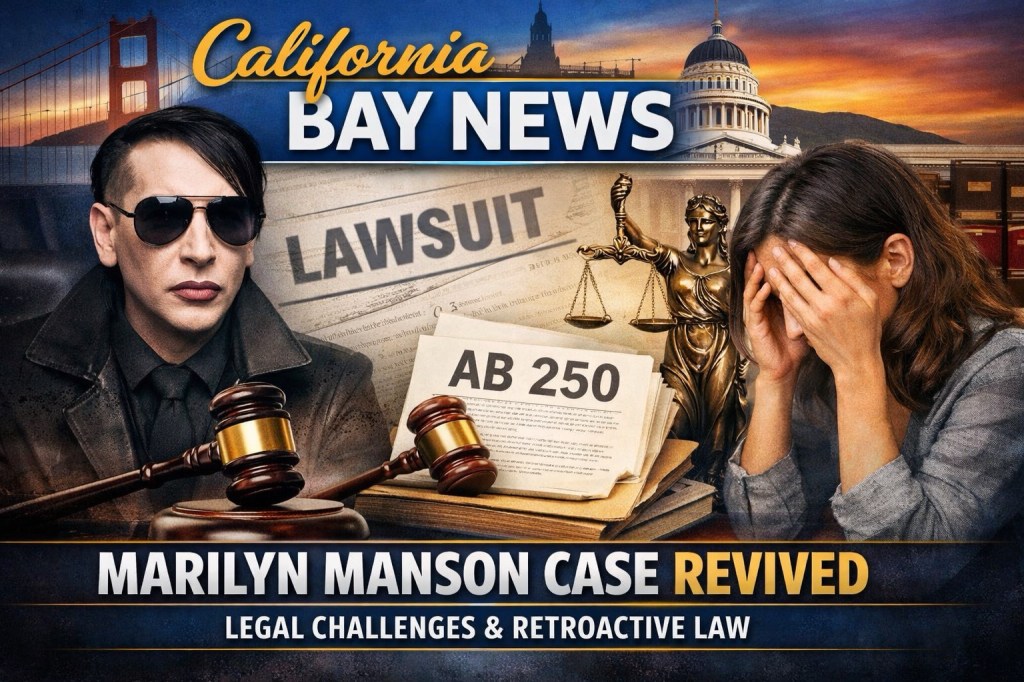
California Law Revives Marilyn Manson Civil Suit — A Test of Justice, Due Process, and Statute of Limitations
A revived civil lawsuit against Marilyn Manson under California’s new AB 250 law raises serious questions about retroactive justice, due process, and the limits of legislative power in reopening time-barred claims.
-
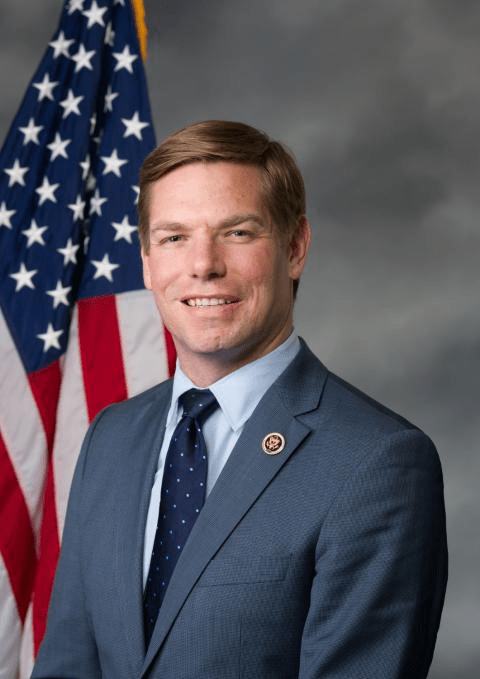
Lawsuit Challenges Eric Swalwell’s Eligibility to Run for California Governor
A lawsuit challenges Rep. Eric Swalwell’s eligibility for California’s 2026 gubernatorial race, claiming he doesn’t meet the state’s five-year residency requirement. Filed by Joel Gilbert, it alleges Swalwell primarily resides in Washington, D.C. and questions his Candidate Intention Statement. The case raises broader concerns about candidate residency enforcement in California.
-
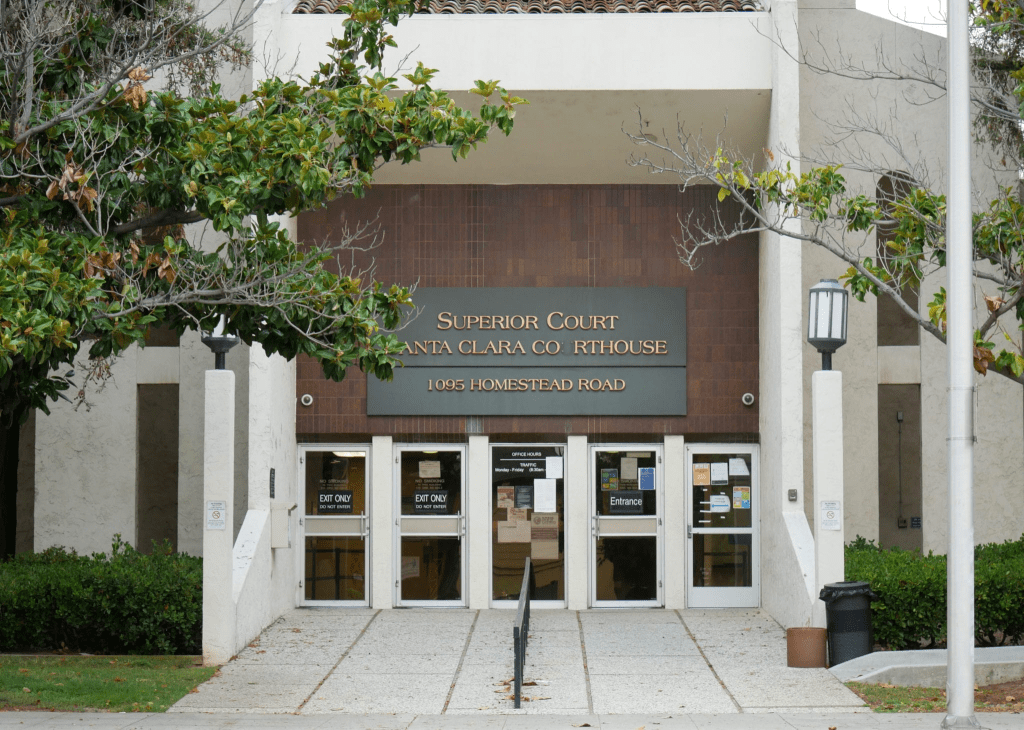
California Family Courts Under Scrutiny: Minors’ Counsel, Taxpayer Costs, and a System Resisting Oversight
An investigative report by The Davis Vanguard highlights issues in California family courts regarding the appointment of minors’ counsel and parenting coordinators, raising concerns about costs, conflicts of interest, and oversight. Critics argue for reform to enhance transparency and accountability, emphasizing that unchecked systems undermine the original intent to protect children’s best interests.
-
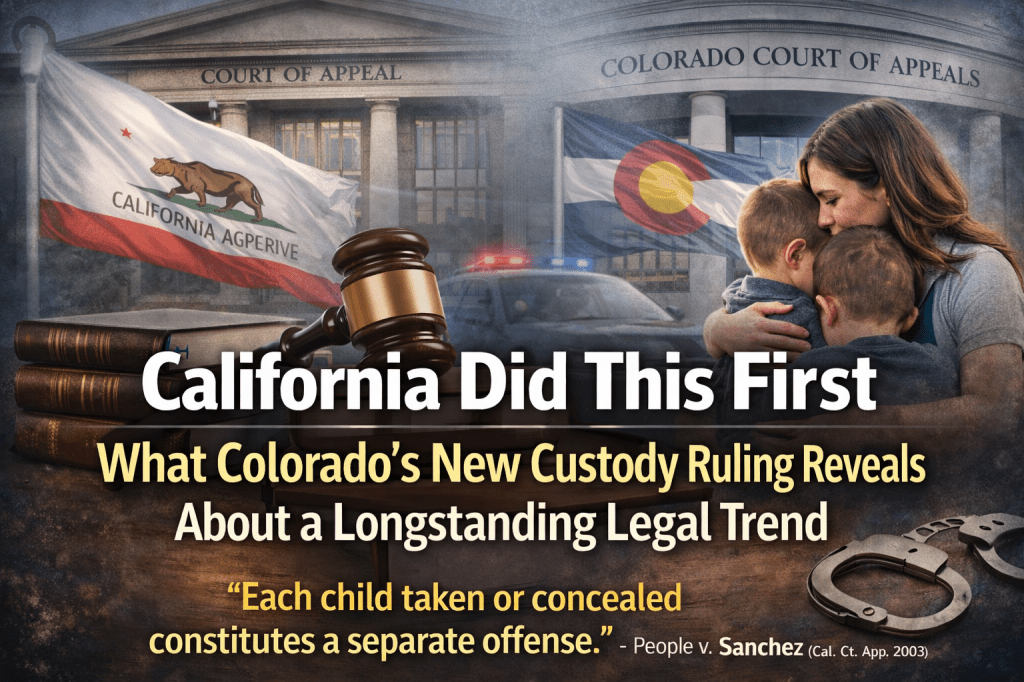
California Did This First: What Colorado’s New Custody Ruling Reveals About a Longstanding Legal Trend
The Colorado Court of Appeals recently allowed prosecutors to charge a felony per child for violating custody orders, aligning with California’s long-established legal framework. While this approach emphasizes individual harm to each child, it raises concerns over excessive prosecutorial power during family crises, prompting questions about state intervention in vulnerable situations.
-
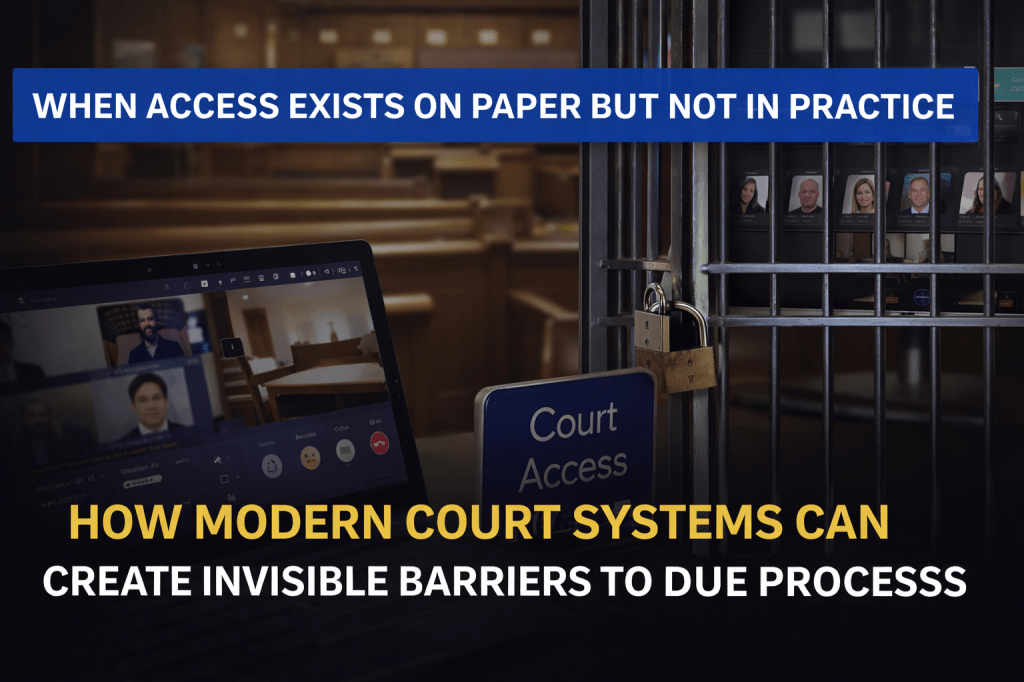
When Courts Release the Manual but Not the Map
The article discusses the implications of California Rule 10.500 for public access to court records, particularly in the case of People v. Smiel. It highlights how the Los Angeles Superior Court’s transparency efforts, while disclosing training materials, still restrict structural access. This raises questions about the necessary level of transparency in digital justice systems.
-
When Allegations Outlive the Case
The article explores the complexities of unresolved criminal allegations within California’s court system, particularly in the context of the ongoing case against Giselle Smiel, who faces felony charges. It highlights the challenges of dismissals and protective orders that, while indicating institutional concern, lack definitive adjudicated findings, raising questions about fairness and transparency in legal processes.
-

FOR IMMEDIATE RELEASE – December 14, 2025
The Los Angeles Sheriff’s Department (LASD) has acknowledged that it lacks written policies governing criminal affidavits and the authority of District Attorney Investigators. This absence raises significant concerns about legal standards, due process, and accountability in law enforcement, affecting both the public and defense processes within the county.
-

FOR IMMEDIATE RELEASE — December 14, 2025
On October 6, 2025, the Los Angeles Superior Court held a significant hearing in the case of People v. Giselle Farias Smiel without public access or proper notification. Advocates, including ADA support personnel, were excluded. This breach of transparency undermines First and Sixth Amendment rights, as well as ADA Title II protections, raising serious legal…
-
Are Protective Orders in California Criminal Cases Becoming Too Broad?
California’s use of protective orders in criminal cases has expanded, raising concerns about transparency and due process. Blanket orders restricting access to evidence, influenced by resource pressures, can hinder defendants’ rights. Critics call for clearer regulations, increased funding for evidence management, and greater consistency across counties to protect both victims and defendants.
 California Bay News