Category: Family & Parental Rights
-

Idaho Lawmakers Move to Modernize Child Custody Laws After Years of Family Court Complaints
Idaho lawmakers are initiating significant reforms to the state’s outdated child custody and family court laws, responding to long-standing concerns about inefficiencies and negative impacts on children. A bipartisan task force is drafting legislation aimed at modernizing statutes, improving law enforcement involvement, and ensuring that children’s voices are heard in custody matters.
-

Colorado Bill Raises New Questions About Parental Rights and Family Court Authority
A new Colorado bill, SB26-018, aims to protect minors’ privacy regarding name changes and gender identity in family law. Supporters view it as a privacy measure, while critics argue it may undermine parental authority in custody decisions by favoring affirming parents. The bill has sparked national debate on family rights and state influence.
-

California’s New Joint Divorce Law Signals a Shift Away From Family Court Warfare
California’s Senate Bill 1427, effective January 1, 2026, introduces a joint petition process for divorces, allowing couples who agree on key issues to file together amicably. This reform aims to reduce costs, expedite resolutions, and lessen emotional harm to children, potentially serving as a model for other states facing similar family court challenges.
-

Idaho’s Child Welfare Debate: Protection, Profit, and the Limits of State Power
A heated debate in Idaho raises questions about the effectiveness of child welfare, with critics claiming it prioritizes family separation over protection. The child welfare system is influenced by federal funding that rewards removals. Recent legal challenges and high-profile cases like Baby Cyrus emphasize tensions between parental rights and state intervention, revealing systemic flaws.
-

California Family Courts Under Scrutiny: Minors’ Counsel, Taxpayer Costs, and a System Resisting Oversight
An investigative report by The Davis Vanguard highlights issues in California family courts regarding the appointment of minors’ counsel and parenting coordinators, raising concerns about costs, conflicts of interest, and oversight. Critics argue for reform to enhance transparency and accountability, emphasizing that unchecked systems undermine the original intent to protect children’s best interests.
-

Utah Mother Allegedly Flees to Europe With Four Children, Igniting Renewed Fears Over Parental Abduction and System Failures
A Utah parental abduction case involves Elleshia Anne Seymour, who allegedly took her four children overseas, violating custody agreements. As they remain missing, the case highlights failures in family court enforcement and passport systems. Advocates stress the importance of safeguarding parental rights and preventing unlawful international travel in custody disputes.
-
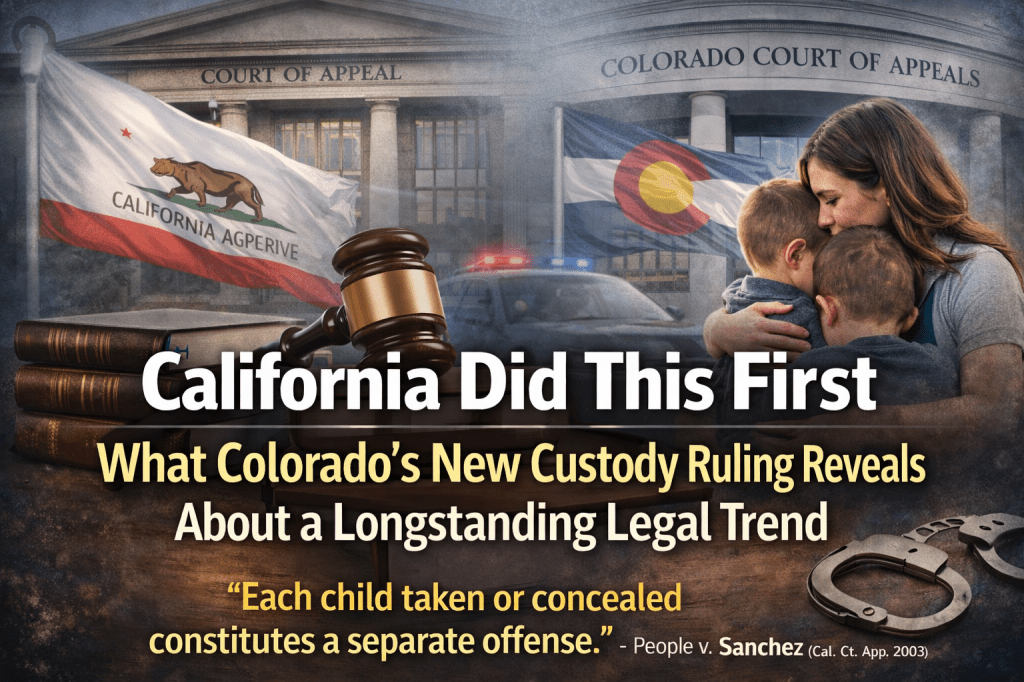
California Did This First: What Colorado’s New Custody Ruling Reveals About a Longstanding Legal Trend
The Colorado Court of Appeals recently allowed prosecutors to charge a felony per child for violating custody orders, aligning with California’s long-established legal framework. While this approach emphasizes individual harm to each child, it raises concerns over excessive prosecutorial power during family crises, prompting questions about state intervention in vulnerable situations.
-

Colorado Appeals Court: One Custody Order, Multiple Felonies—Per Child
A Colorado Court of Appeals ruling allows prosecutors to charge separate felonies for each child affected by a custody violation, even under one order. This decision increases legal repercussions for parents, offering prosecutors greater leverage in plea negotiations. Concerns arise regarding potential overreach and the impact on families during custody disputes.
-

California Judge Strikes Down Statewide ‘Parental Exclusion’ Policies in Landmark Ruling
U.S. District Judge Roger T. Benitez ruled California’s “parental exclusion” policies unconstitutional, blocking state mandates that required schools to conceal children’s gender identity changes from parents. The decision reinforces parental authority in education, impacting 300,000 teachers and over six million students while emphasizing the importance of parental involvement in children’s well-being.
-
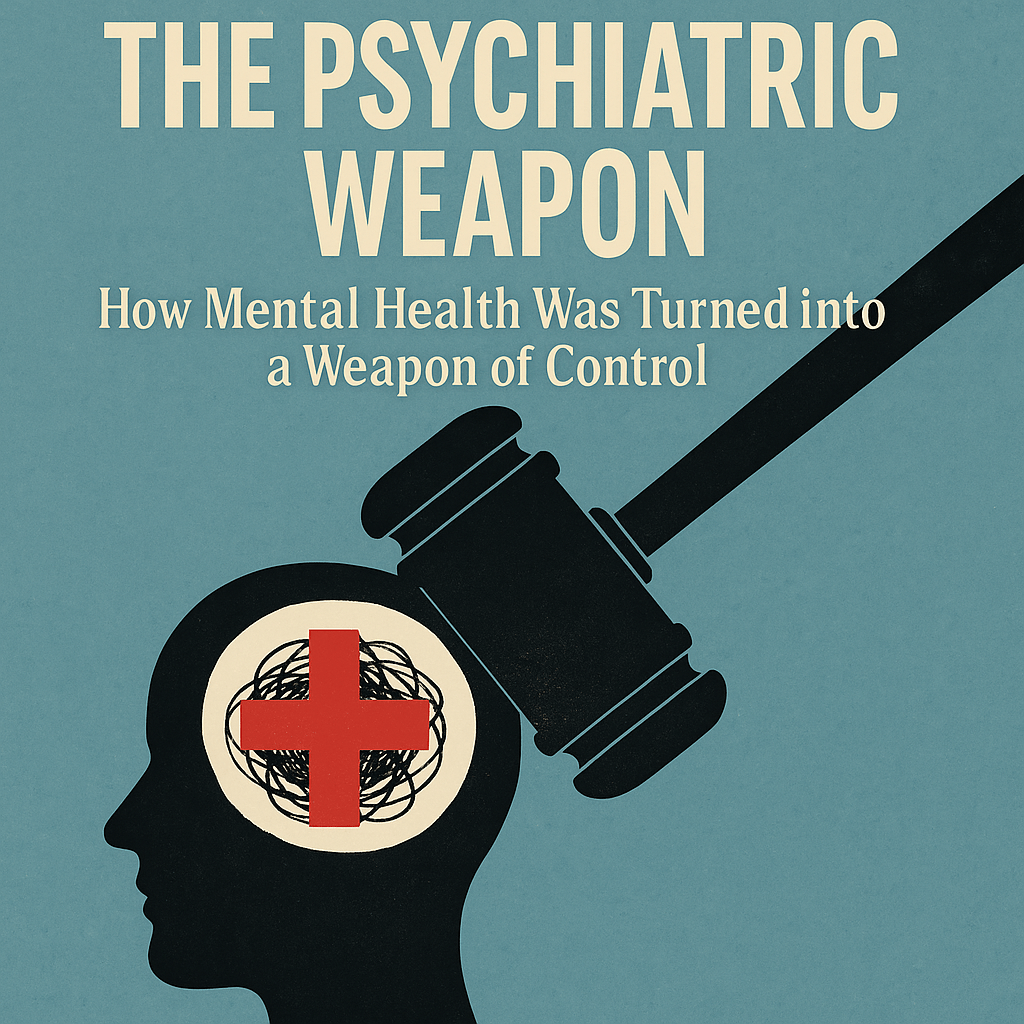
The Psychiatric Weapon: How Mental Health Was Turned into a Weapon of Control
California’s family court system exploits psychological diagnoses to control parents, particularly those with ADHD and PTSD, turning mental health into profit. Through a network of unlicensed evaluators and therapists, parents face financial burdens while their traumas are weaponized against them. Brenna Gano’s case exemplifies systemic dysfunction, showcasing the urgent need for reform.
 California Bay News