Author: Michael Phillips
-
San Diego’s $30 Million Police Payout Over the Killing of 16-Year-Old Konoa Wilson: What Went Wrong, and What Comes Next?
San Diego’s record-setting $30 million settlement over the police killing of 16-year-old Konoa Wilson is more than a financial headline — it’s a warning sign. Despite five years of post-Floyd reforms, a teenager running away from gunfire was shot in the back by an officer who never issued a warning. As investigations stall and taxpayers…
-
When Family Court Fails: What Las Vegas’ “Judging the Judges” Survey Misses — And Why California Should Worry
A new survey of Clark County Family Court judges reveals alarming error rates, low retention scores, and rising secrecy—issues California’s own courts must not ignore.
-
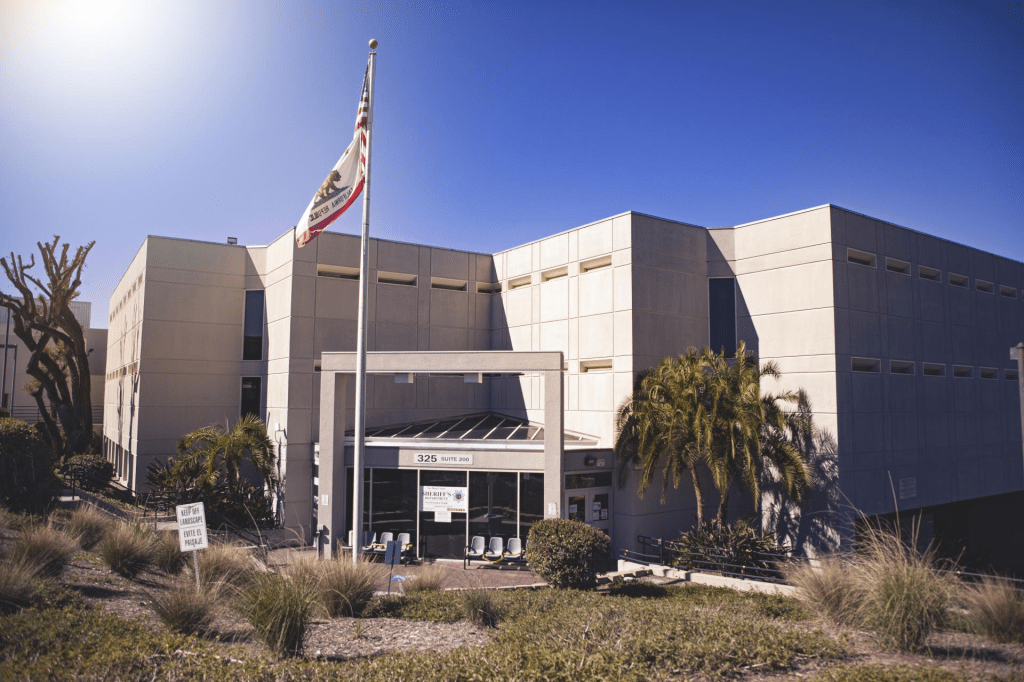
San Diego Sheriff Wants Up to $3 Billion for New Jails. Taxpayers Deserve Straight Answers First.
San Diego Sheriff Kelly Martinez is seeking up to $3 billion to replace the Vista Detention Facility and upgrade six county jails amid lawsuits, in-custody deaths, and Prop 36 overcrowding. Critics question whether taxpayers should fund massive construction before accountability and mental-health reforms are in place.
-
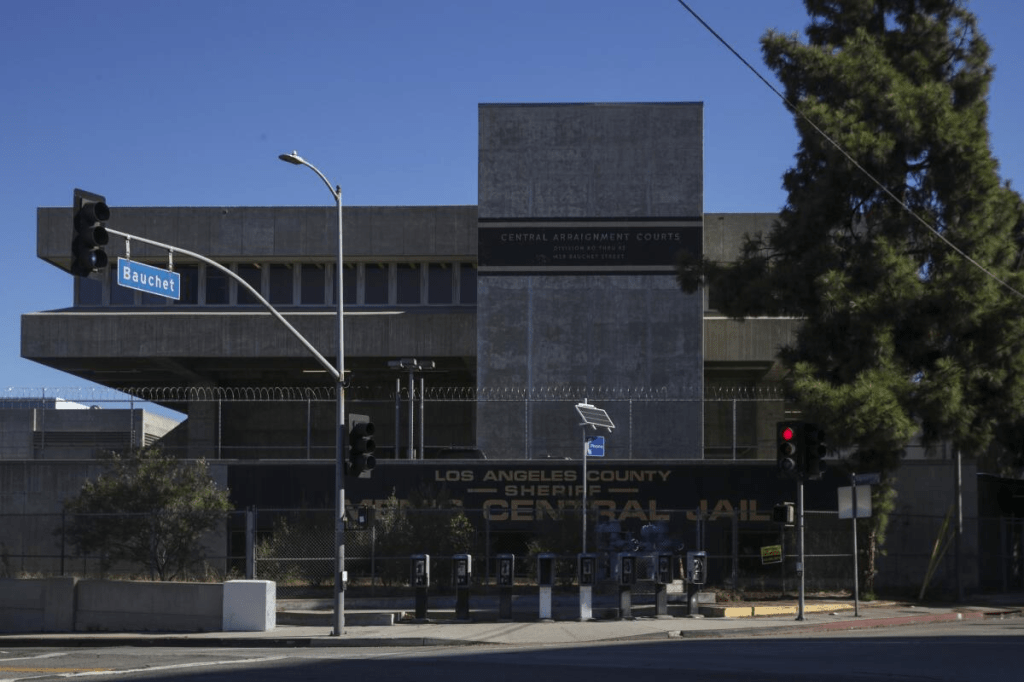
California DOJ Sues Los Angeles County Over “Inhumane” Jail Conditions — What the State Isn’t Saying About Its Own Role
California Attorney General Rob Bonta has initiated a significant lawsuit against the Los Angeles County Sheriff’s Department, alleging severe safety and health violations in county jails. The case highlights systemic issues and questions the state’s responsibility in creating these conditions, though critics argue the lawsuit may expand state control rather than provide meaningful reform.
-

LASD Expands Body-Worn Cameras in County Jails — But Santa Clarita’s Pitchess Facility Will Wait Until 2026
Los Angeles County Sheriff Robert Luna announced an expansion of body-worn cameras in the county jail system, starting in October 2025. However, the Pitchess Detention Center will not receive these cameras until mid-2026, raising concerns about equitable reform. Critics emphasize that cameras alone won’t address deeper systemic issues, and transparency remains vital.
-

California Launches Portal to Report ICE Agents—Using Your Tax Dollars to Shield Illegal Immigrants
California has launched a publicly funded online portal for residents to report federal immigration agents, aimed at documenting misconduct. Critics argue it intimidates federal officers and undermines U.S. law enforcement, framing it as a taxpayer-funded “Dox ICE” tool. This move coincides with heightened fears of deportation among immigrant communities.
-

Are Protective Orders in California Criminal Cases Becoming Too Broad?
California’s use of protective orders in criminal cases has expanded, raising concerns about transparency and due process. Blanket orders restricting access to evidence, influenced by resource pressures, can hinder defendants’ rights. Critics call for clearer regulations, increased funding for evidence management, and greater consistency across counties to protect both victims and defendants.
-
“Money-Laundering in the Governor’s Orbit”: Sacramento Corruption Probe Collides With California’s 2026 Governor’s Race
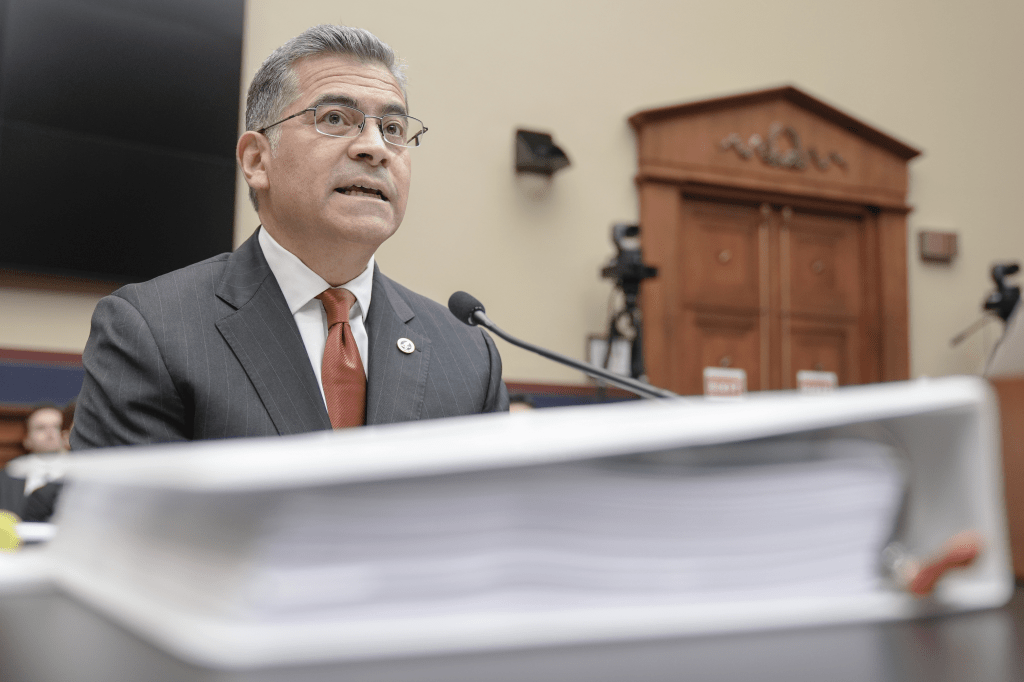
A federal corruption investigation has destabilized California’s Democratic leadership, involving notable figures like Gov. Gavin Newsom and HHS Secretary Xavier Becerra. Key operatives face serious charges, linked to fraudulent activities with campaign funds and PPP loans. With a significant election approaching, this scandal could drastically affect voter perceptions and outcomes.
-

Bob Chesney to UCLA: Why the Bruins Just Landed the Perfect Builder for a Program Desperate for Stability
UCLA football has hired Bob Chesney, an experienced coach with a 132–51 record, to revitalize the struggling program after a 3–9 season. Known for his positive leadership style and ability to develop talent, Chesney aims to implement his proven system at UCLA, attracting recruits and fostering a winning culture.
-
Amazon Backs Out of Massive “Project Blue” Data Center Campus in Arizona
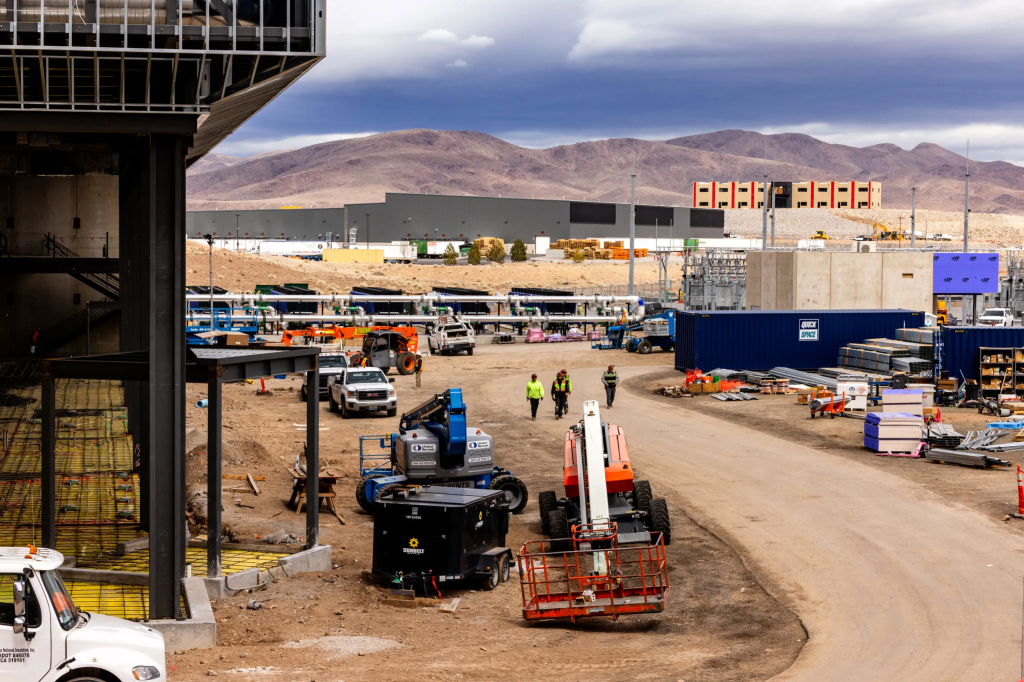
Amazon Web Services has withdrawn from a significant data center project in Mesa, Arizona, leading to community concerns about transparency and economic impact. The abrupt exit follows rising construction costs, regulatory scrutiny, and water resource conflicts. Residents are left questioning past commitments and the negotiation process, highlighting broader issues with Big Tech projects.
 California Bay News