Author: Michael Phillips
-
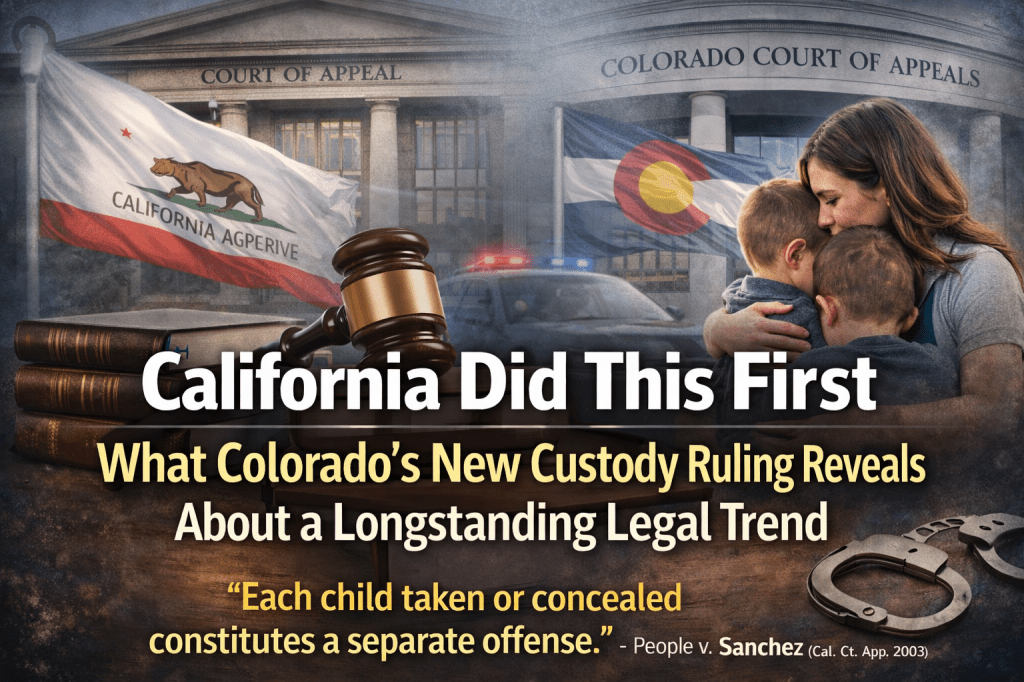
California Did This First: What Colorado’s New Custody Ruling Reveals About a Longstanding Legal Trend
The Colorado Court of Appeals recently allowed prosecutors to charge a felony per child for violating custody orders, aligning with California’s long-established legal framework. While this approach emphasizes individual harm to each child, it raises concerns over excessive prosecutorial power during family crises, prompting questions about state intervention in vulnerable situations.
-

Colorado Appeals Court: One Custody Order, Multiple Felonies—Per Child
A Colorado Court of Appeals ruling allows prosecutors to charge separate felonies for each child affected by a custody violation, even under one order. This decision increases legal repercussions for parents, offering prosecutors greater leverage in plea negotiations. Concerns arise regarding potential overreach and the impact on families during custody disputes.
-
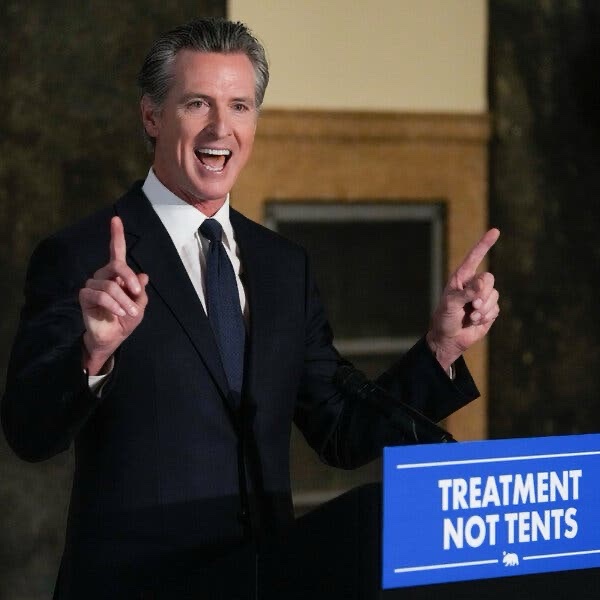
California’s High-Risk Government: Newsom’s Accountability Problem
California’s nonpartisan state auditor isn’t accusing Gavin Newsom of personal corruption—but its latest report exposes a deeper problem: years of tolerated mismanagement, weak oversight, and billions in taxpayer dollars at risk under his watch.
-

California DMV CDL Revocations Spark Lawsuit, Highlight Tensions Between Rule of Law and Economic Reality
A class-action lawsuit over California’s plan to revoke more than 20,000 commercial driver’s licenses highlights the clash between federal enforcement, state mismanagement, and the economic reality of a trucking industry heavily reliant on immigrant labor.
-

FBI Tip Leads to Arrest of Ogden Man After Antisemitic Threats and Discovery of Pipe Bombs
A swift FBI tip and coordinated law enforcement response led to the arrest of a 21-year-old Ogden man after antisemitic threats posted online were linked to the discovery of seven operational pipe bombs and a firearm inside a family home, averting what authorities say could have been a deadly attack.
-

California Didn’t Become Unaffordable by Accident
California’s affordability crisis didn’t happen overnight—and it didn’t happen by accident. It is the cumulative result of decades of well-intentioned policies layered without regard for real-world impact, quietly squeezing out working families, young parents, and retirees. California doesn’t push people out loudly. It exhausts them.
-

California Judge Strikes Down Statewide ‘Parental Exclusion’ Policies in Landmark Ruling
U.S. District Judge Roger T. Benitez ruled California’s “parental exclusion” policies unconstitutional, blocking state mandates that required schools to conceal children’s gender identity changes from parents. The decision reinforces parental authority in education, impacting 300,000 teachers and over six million students while emphasizing the importance of parental involvement in children’s well-being.
-

Steve Hilton Puts Spotlight on Child Sex Trafficking as 2026 Governor’s Race Heats Up
In California’s 2026 gubernatorial race, Republican candidate Steve Hilton highlights child sex trafficking, focusing on Los Angeles’ Figueroa Street. He critiques Democratic leadership for lax policies, particularly Senate Bill 357, and proposes aggressive reforms. Hilton’s campaign aims to raise awareness and challenge current leaders on child protection effectiveness, underscoring the urgency of the issue.
-
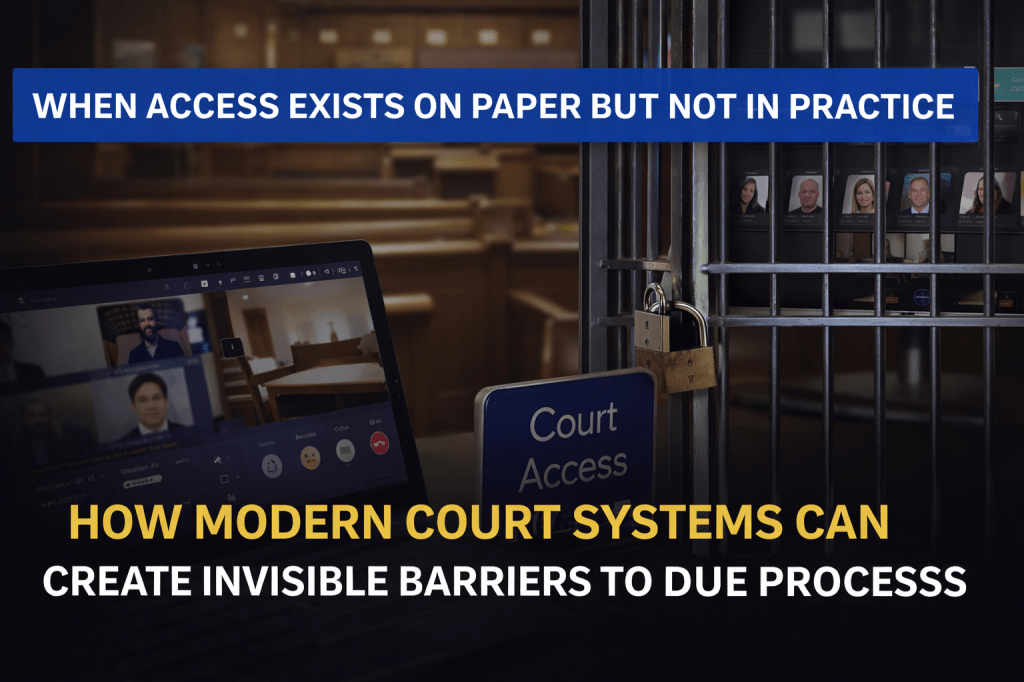
When Courts Release the Manual but Not the Map
The article discusses the implications of California Rule 10.500 for public access to court records, particularly in the case of People v. Smiel. It highlights how the Los Angeles Superior Court’s transparency efforts, while disclosing training materials, still restrict structural access. This raises questions about the necessary level of transparency in digital justice systems.
-
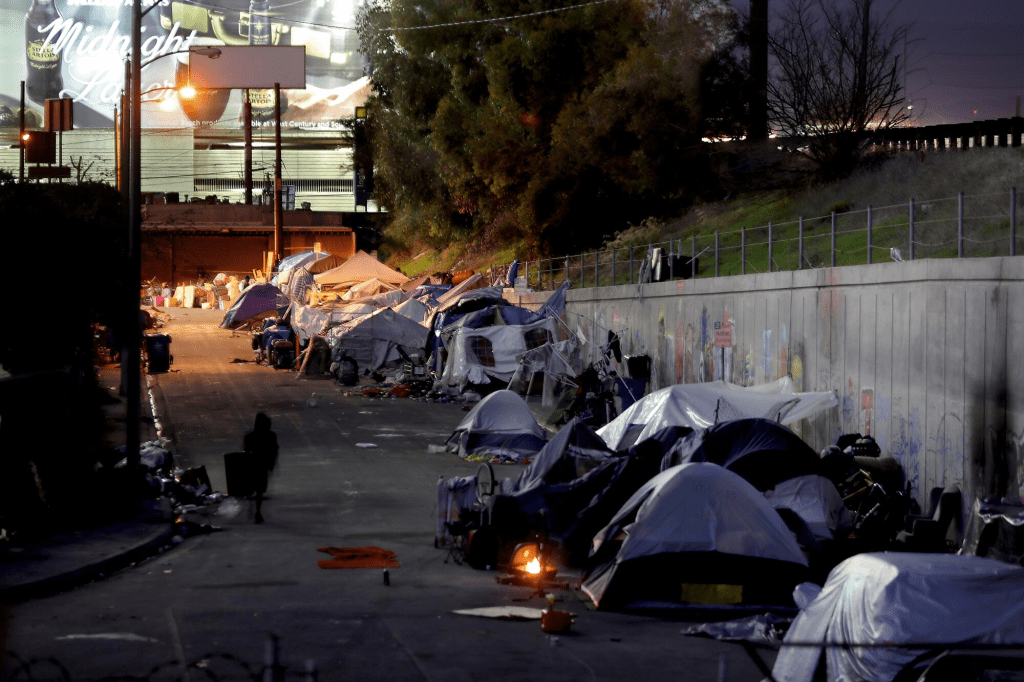
CARE Court’s Broken Promise: Why California Families Feel Let Down by Newsom’s Mental Health Reform
California’s CARE Court, launched in 2022 to aid those with severe mental illnesses, has become a source of frustration for families. With participation being voluntary, many individuals disengage from treatment, leading to homelessness and incarceration. Despite some successes, it fails to reach the most critical cases, prompting calls for stronger intervention.
 California Bay News