By Michael Phillips | CABayNews
A recent interactive feature by The Guardian casts a stark spotlight on the turmoil inside Inglewood Unified School District (IUSD), portraying school closures as a symbol of displacement and inequity in a city transformed by billion-dollar developments like SoFi Stadium and the Intuit Dome. But beneath the emotional imagery lies a harder, underreported reality confronting school districts across California: declining enrollment, aging facilities, and the limits of public funding.
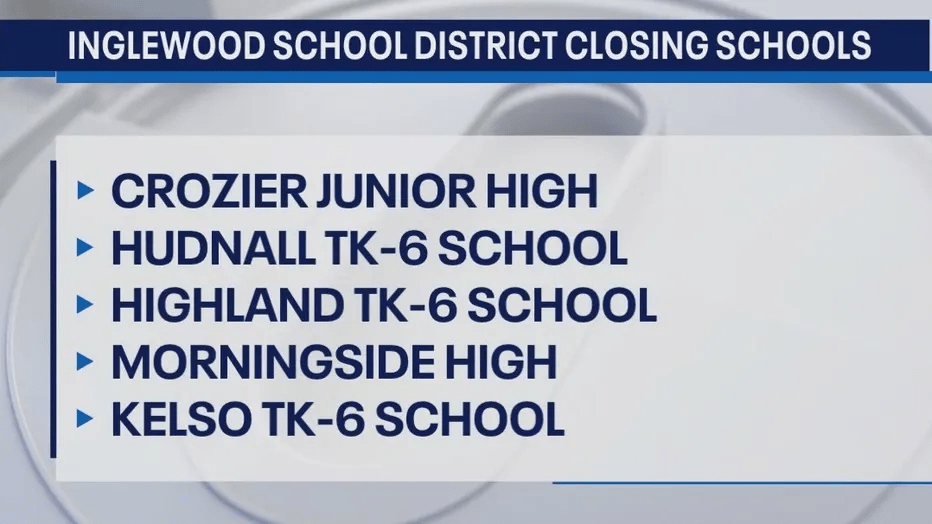
Inglewood’s situation is not new. IUSD has been under state control since 2012—the longest receivership in California history—after years of deficit spending and overstated attendance. Since then, enrollment has collapsed from roughly 18,000 students in the early 2000s to about 6,000–7,000 today. Nearly half the district’s schools have closed since 2018.
From a center-right perspective, this raises a critical question missing from much of the coverage: How long should taxpayers be expected to fund half-empty schools when fewer families are using them?
Right-Sizing or Ruin?
Administrators and fiscal watchdogs argue that closures are not ideological choices but unavoidable math. California funds schools based largely on average daily attendance. When enrollment plummets, revenue follows. Maintaining dozens of underused campuses—many built in the 1920s and 1930s with mounting repair costs—diverts money from classrooms, teachers, and student services.
Recent reviews by the state’s fiscal oversight agency show incremental improvement. IUSD has exited one high-risk category and improved scores in others, signaling slow movement toward stability. Supporters of consolidation say closing schools allows remaining campuses to offer broader programs, updated facilities, and more focused resources rather than spreading limited funds thinly.
That argument rarely appears in activist-driven narratives that frame closures solely as discrimination or gentrification.
Competition and Choice
Another underplayed factor is school choice. Inglewood is surrounded by charter schools and neighboring districts offering alternatives many parents have willingly chosen. From a center-right view, this competition reflects parental agency—not exploitation. Families voting with their feet signal dissatisfaction with past performance, not simply displacement by development.
Blaming charter schools or development projects for enrollment loss ignores broader statewide trends. California’s K-12 population is shrinking due to lower birth rates, high housing costs, and post-pandemic migration. Projections show an 11% statewide decline by 2031. Inglewood is not an outlier—it is an early warning.
Investments Amid Consolidation
Even as closures dominate headlines, significant investments continue. A $240 million reconstruction of Inglewood High School is underway, and the Iovine and Young Center—a partnership tied to Dr. Dre and Jimmy Iovine—opened in 2025 on a former school site. Developer fees tied to the city’s economic boom have also helped fund upgrades.
These developments complicate the narrative that closures equal abandonment. The district is shrinking—but rebuilding what remains.
A Broader California Reckoning
The debate unfolding in Inglewood mirrors looming decisions in Los Angeles Unified and other urban districts facing empty desks and budget cliffs. Political leaders have delayed hard choices for years. Eventually, however, demographics and finances force accountability.
The Guardian asks whether closures are “destroying” or “saving” Inglewood. From a center-right standpoint, the uncomfortable answer may be both. Emotional costs are real—but so is the danger of preserving unsustainable systems at taxpayer expense.
As California heads into 2026, the question is no longer whether consolidation will happen, but whether leaders will confront it honestly—or continue pretending yesterday’s enrollment numbers still apply.
 California Bay News
Leave a comment