
By Michael Phillips | California Bay News
California entered 2025 as a solidly blue state projecting confidence, competence, and national leadership. It ended the year battered—by corruption scandals, natural disasters, legal chaos, and growing public distrust in institutions long dominated by one-party rule.
Here are the five biggest scandals and major news stories that shook California in 2025, ranked by political fallout, economic damage, and sustained public attention.
1. Sacramento Corruption Scandal: The Dana Williamson Indictment
The year’s most explosive political scandal erupted in November when federal prosecutors indicted Dana Williamson, former chief of staff to Governor Gavin Newsom, along with multiple Democratic insiders.
Prosecutors allege that Williamson and associates—including a well-connected lobbyist and a former aide to U.S. Health Secretary Xavier Becerra—misused dormant campaign funds for luxury travel, designer purchases, and personal expenses through fake consulting invoices. Charges include wire fraud, bank fraud, and false tax filings.
Why it mattered:
This wasn’t a rogue staffer story—it struck at the heart of California’s Democratic power structure. The case raised uncomfortable questions about oversight, insider culture, and how long Sacramento has operated on trust instead of accountability. With plea deals already secured from co-conspirators, the political fallout is far from over as the case heads into 2026.
2. January Wildfires That Redefined “Disaster” in California
California has grown used to wildfires—but January 2025 crossed into unprecedented territory.
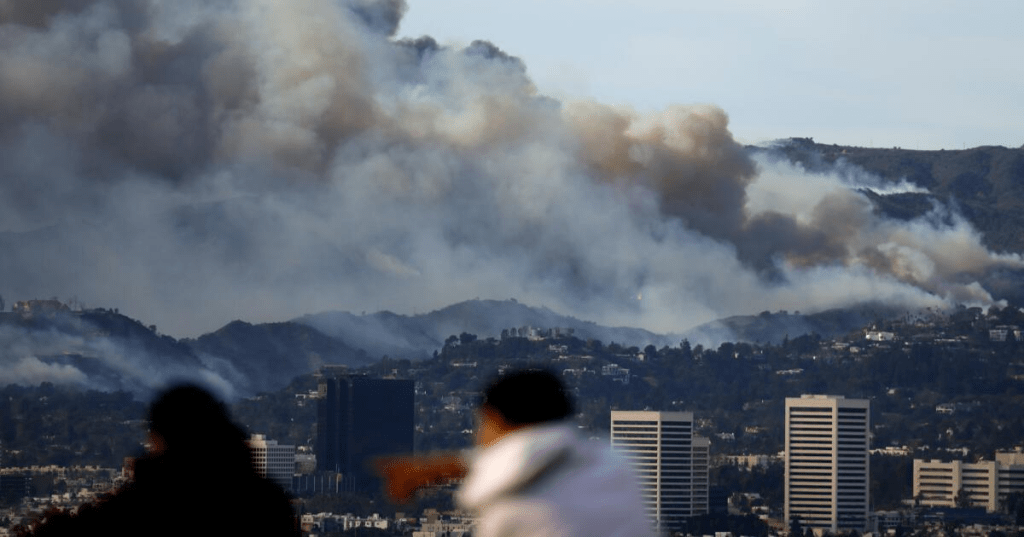
The Palisades, Eaton, and related Southern California fires burned more than 50,000 acres, destroyed tens of thousands of structures, displaced over 200,000 residents, and triggered an insurance crisis that rippled statewide. Damage estimates soared into the hundreds of billions, making it one of the costliest disasters in U.S. history.
Why it mattered:
The fires didn’t just destroy homes—they exposed systemic failures in forest management, infrastructure hardening, emergency preparedness, and the state’s fragile insurance market. For many Californians, the disaster marked a breaking point in confidence that state leadership could manage long-known risks.
3. Christmas Atmospheric River Floods and Mudslides
Just as Californians began recovering from wildfire losses, nature struck again.
Over Christmas week, a series of powerful atmospheric river storms dumped record rainfall across Southern California, triggering deadly mudslides and debris flows in wildfire burn scars. Entire mountain communities were buried. Major highways flooded. Power outages affected hundreds of thousands.
At least four people died, with dozens rescued from submerged vehicles and homes.
Why it mattered:
The storms highlighted what experts call “climate whiplash”—the deadly swing between drought and deluge. But for residents, the more immediate concern was infrastructure failure. Roads, drainage systems, and emergency response proved inadequate yet again, raising questions about whether California’s massive tax base is translating into resilience on the ground.
4. Proposition 50 and the Redistricting Firestorm
In November, voters approved Proposition 50, allowing the Democratic legislature to redraw congressional maps ahead of the 2026 elections—effectively overriding California’s long-celebrated independent redistricting commission.
Supporters framed it as retaliation against Republican gerrymandering in other states. Critics called it raw partisan power.
Lawsuits followed immediately, alleging racial gerrymandering and violations of California’s voter-approved “fair maps” reforms.
Why it mattered:
California once positioned itself as a national model for nonpartisan redistricting. Prop 50 shattered that reputation and reignited national accusations of hypocrisy. The legal battle now threatens to entangle California’s congressional elections in years of uncertainty.
5. County Fair Corruption and Financial Mismanagement
A December investigation revealed widespread fraud, theft, bribery, and misuse of public funds across more than a third of California’s 77 county fairs over the past decade.
Audits uncovered credit card abuse, bid-rigging, nepotism, and unaccounted cash—often involving taxpayer dollars meant to support agricultural and community programs.
Why it mattered:
While smaller in scale than Capitol corruption, the story struck a nerve. County fairs are among California’s most trusted local institutions. Their misuse of public funds reinforced a growing belief that lax oversight has become normalized at every level of government.
The Bigger Picture
Taken together, these stories tell a clear story about California in 2025:
• A political culture insulated from accountability
• Infrastructure and emergency systems stretched to failure
• Growing public skepticism toward one-party governance
• A widening gap between progressive rhetoric and operational reality
California remains enormously influential—but 2025 showed that even deep-blue states are not immune to scandal, mismanagement, or voter backlash.
The question heading into 2026 is no longer whether California faces problems—but whether its leaders are willing to confront them honestly.
 California Bay News
Leave a comment