By Michael Phillips | CABayNews
When Governor Gavin Newsom unveiled California’s CARE Court in 2022, many families struggling to help loved ones with severe mental illness felt something they hadn’t felt in years: hope.
CARE Court — short for Community Assistance, Recovery, and Empowerment Court — was pitched as a humane alternative to jail, emergency rooms, and the streets. It promised court-supervised treatment, housing support, and accountability for counties that had long failed people with untreated psychotic disorders.
Three years later, that hope has curdled into frustration.
A new CalMatters investigation reveals what many families now describe as a painful reality: CARE Court offers help only to those already willing to accept it — leaving the sickest, most impaired individuals exactly where they started.
A System Built on Voluntary Participation
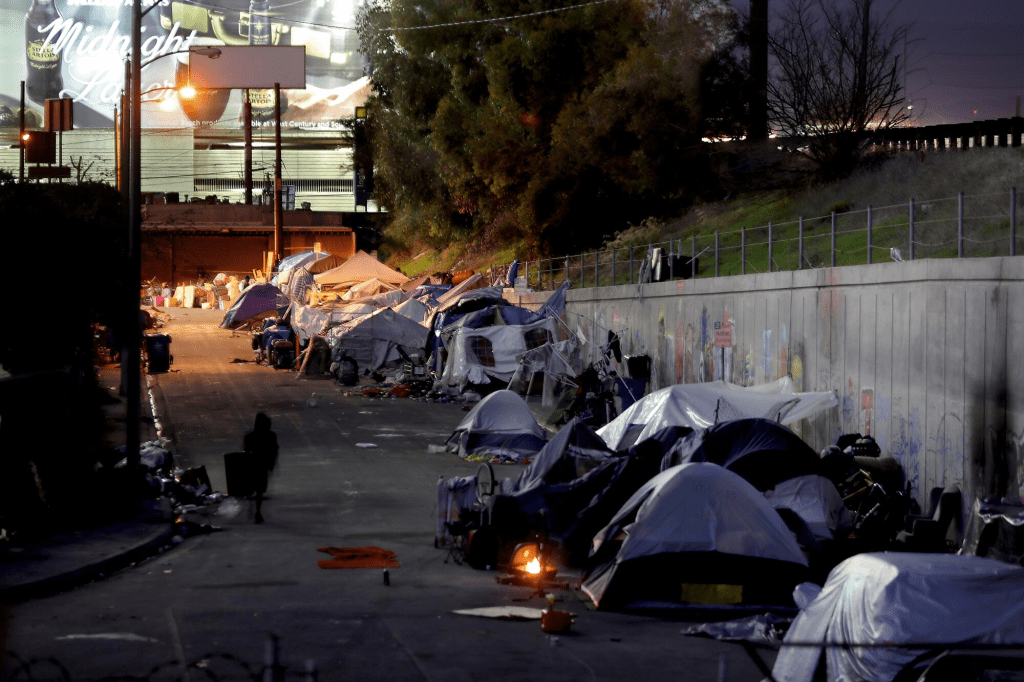
CARE Court was designed to intervene early for adults with schizophrenia spectrum disorders or similar psychotic illnesses, many of whom experience homelessness, repeated hospitalizations, or incarceration. Family members, first responders, and others can petition the court to initiate a CARE plan lasting up to two years.
But there’s a catch.
Participation is voluntary. Individuals can opt out at almost any point, even when their illness prevents them from recognizing they need help — a condition known as anosognosia, common in severe mental illness.
For families, this distinction has been devastating.
Many believed CARE Court would compel treatment when necessary, or at least create a meaningful path toward conservatorship for those unable to care for themselves. Instead, cases are routinely dismissed or closed when participants disengage — often with no further intervention.
As one parent told CalMatters, “You can’t have a life when you have a kid like this.” Another described the program bluntly as “false hope.”
The Numbers Tell the Story
State data through October 2025 underscores the gap between promise and performance:
- Roughly 3,100 petitions filed statewide
- Nearly half dismissed
- Only 706 CARE plans or agreements reached — about 23% of cases
In Contra Costa County, highlighted in the report, 69 petitions resulted in just 11 agreements.
These figures fall far short of early projections that envisioned thousands of Californians entering CARE Court each year. Instead, the program has reached only a narrow slice of the population — often people already connected to services, not those living on the streets in acute crisis.
Families Left With Nowhere to Turn
The CalMatters article centers on families who supported CARE Court from the start, believing it would finally address the failures of decades of deinstitutionalization and hands-off mental health policy.
Instead, many watched their loved ones cycle back into homelessness, jail, or psychosis after voluntarily dropping out.
In one case, a mother petitioned on behalf of her adult son with schizoaffective disorder and addiction. Despite initial engagement, he exited the program, relapsed, and returned to the streets. Another family’s case was closed entirely when their son moved counties — without treatment, stability, or follow-up.
For families, CARE Court didn’t replace conservatorship or involuntary treatment. It simply added another bureaucratic step before inevitable collapse.
Officials Defend the Model — But Critics Aren’t Convinced
State and county officials argue that voluntary “buy-in” is essential for lasting recovery. Judges and clinicians involved in CARE Court point to individual success stories, including participants who secured housing or returned to school.
Those successes are real — but rare.
Even supporters concede that courts can’t create housing, psychiatric beds, or clinicians “out of thin air.” And despite early promises of accountability, no county has been fined for failing to provide services. The enforcement teeth initially discussed during CARE Court’s rollout were quietly removed during legislative negotiations.
For taxpayers, this raises uncomfortable questions. Early per-participant costs ran extremely high due to low enrollment, while billions in related mental health funding remain slow to translate into real-world capacity.
A Familiar California Pattern
From a center-right perspective, CARE Court reflects a broader pattern in California governance: ambitious rhetoric, heavy spending, diluted implementation, and limited results.
The state attempted to thread an impossible needle — satisfying families desperate for intervention while placating activist groups opposed to any form of coercion. The result is a system criticized from all sides: too weak for families, too coercive for civil liberties advocates, and too expensive for taxpayers.
A recent expansion of eligibility, taking effect in 2026, may increase filings. But it doesn’t resolve the core problem: a mental health system that refuses to intervene decisively until tragedy forces its hand.
What Comes Next?
CARE Court has helped some people. That matters. But it has not transformed California’s mental health crisis — or even meaningfully dented it.
For families living this reality every day, the lesson is painful but clear: without stronger intervention tools, sufficient housing, and real accountability, court-based reforms risk becoming performative gestures rather than lifelines.
California doesn’t lack compassion. What it lacks is the political will to admit that voluntary-only solutions fail the very people most in need of help — and leave families carrying the consequences.
Until that changes, CARE Court will remain what many now call it: a promise made, and quietly broken.
 California Bay News
Leave a comment