By Michael Phillips | CABayNews
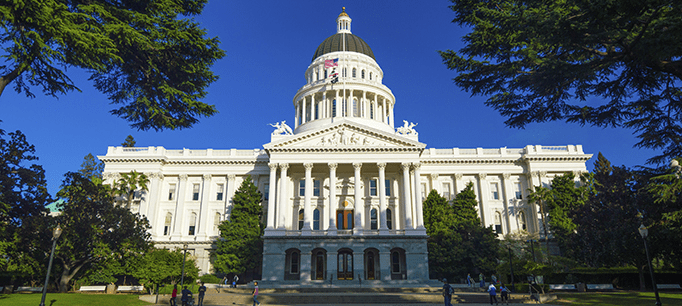
California is preparing for another sweeping legal overhaul in 2026, as more than 900 new or amended laws—signed by Gov. Gavin Newsom over the past two years—begin taking effect, mostly on January 1. While supporters frame the changes as consumer-friendly and equity-driven, critics warn the cumulative impact will mean higher costs, heavier regulation, and less flexibility for families, schools, employers, and local governments.
An ABC7 Los Angeles review highlights a partial list of the most visible laws, but taken together, the 2026 package represents one of the largest expansions of state regulation in recent memory.
Everyday Life: More Rules, Higher Compliance Costs
One of the most talked-about changes is a full ban on plastic shopping bags (SB 1053). The law closes what lawmakers call a “loophole” by banning thicker plastic bags previously marketed as reusable. Stores will be required to switch to paper or true reusable bags—costs that retailers say will inevitably be passed on to consumers.
Other consumer-focused laws include:
- Food delivery reforms (AB 578), requiring refunds for incorrect orders and mandating human support when chatbots fail.
- Streaming ad volume limits (SB 576), extending TV-style rules to streaming platforms starting July 2026.
- Used-car return rights (SB 766), creating a three-day return window—raising concerns among dealers about abuse and higher prices.
- Overdraft fee caps for credit unions (SB 1075), limiting fees to $14 or less.
Supporters argue these measures protect consumers; business groups warn they add yet another layer of mandates in an already high-cost state.
Health and Food: Mandates in the Name of Safety
Several new laws target public health and food standards:
- Mandatory folic acid fortification in corn masa and tortillas (AB 1053).
- Restaurant allergen labeling (SB 68), requiring menus to list major allergens per item by July 2026.
- Insulin price caps (SB 40), limiting out-of-pocket costs to $35 per month in state-regulated plans.
- Bans on certain chemicals in hair relaxers (SB 236).
While public-health advocates applaud the measures, critics note that mandates often increase compliance costs for small restaurants and producers.
AI, Technology, and Privacy: Sacramento Enters the Algorithm
California continues to push aggressively into tech regulation:
- AI watermarking requirements (SB 942) for generated content, delayed until August 2026.
- Chatbot restrictions (SB 243), requiring disclosures to minors and blocking certain conversations.
- Stronger penalties for AI-generated deepfake pornography (AB 621).
- The “Delete Act” (SB 362), creating a one-stop portal for Californians to request data deletion from brokers starting in 2026.
Free-speech advocates and tech companies warn that vague standards and enforcement uncertainty could chill innovation and lawful expression.
Schools and Culture Wars
Education-related laws are among the most politically charged:
- Phone-free school mandates (AB 3216), requiring districts to restrict student smartphone use by July 2026.
- Gender-neutral bathrooms (SB 760), requiring at least one per K-12 campus.
- Anti-book-ban legislation (AB 1825), limiting the removal of library books based on content or authorship.
Parents’ groups remain divided, with some welcoming uniform standards and others arguing local control and parental input are being sidelined.
Work, Wages, and the Economy
California’s regulatory footprint on work continues to grow:
- State minimum wage increases to $16.90 per hour, with many cities higher.
- Gig-driver collective bargaining rights (AB 1340), opening the door to unionization of Uber and Lyft drivers.
- New rules voiding certain training-repayment agreements and expanding worker-notice requirements.
Business advocates caution these changes will further discourage hiring and investment, especially for small employers already struggling with inflation and energy costs.
Public Safety and Gun Policy
Several laws touch on public safety and firearms:
- Stricter firearm storage requirements in homes (SB 53).
- Expanded civil liability windows for certain sexual assault claims.
- New limits on law-enforcement practices that have already sparked legal challenges.
The Bigger Picture
Individually, many of these laws poll well. Collectively, critics argue they reflect Sacramento’s growing tendency to regulate nearly every aspect of daily life—often with little regard for enforcement costs, unintended consequences, or voter fatigue.
As 2026 approaches, Californians will begin to feel the effects not as headlines, but as higher prices, more notices, more disclosures, and fewer choices. Whether these laws deliver their promised protections—or deepen the state’s affordability and governance crisis—remains an open question.
For the full text of any bill, Californians can consult the state’s official legislative database at leginfo.legislature.ca.gov.
 California Bay News
Leave a comment