By Michael Phillips | CABayNews
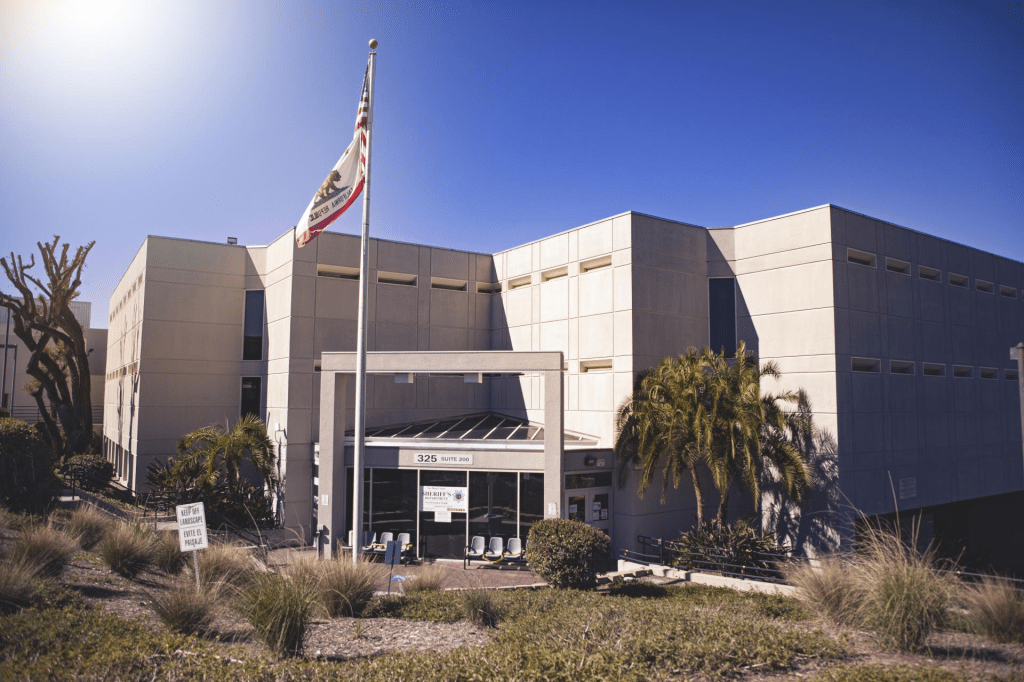
San Diego County Sheriff Kelly Martinez is asking the Board of Supervisors to back what could become one of the largest public-safety infrastructure projects in county history: up to $3 billion to replace the aging Vista Detention Facility and upgrade six other jails.
On paper, the pitch is about safety, modernization, and compliance with court orders and disability laws. In reality, it comes against a backdrop of record jail-death settlements, a looming federal class action, and a new state “tough on crime” law that’s stuffing more people into already troubled facilities.
For concerned citizens, the question isn’t just whether San Diego’s jails need work. They do. It’s whether county leaders are about to write a multi-billion-dollar check to a system that has not yet proved it can stop killing people and wasting money.
What Sheriff Martinez Is Asking For
According to the Union-Tribune report and county briefings, Martinez’s plan centers on three pillars:
- A brand-new Vista Detention Facility (VDF), replacing the 1978 jail that houses roughly 650 people and has long been described as functionally obsolete.
- Major renovations at the other six county jails, including Central Jail downtown and the George Bailey Detention Facility in Otay Mesa.
- A financing package that could reach $3 billion, likely via a 2026 bond measure for “public safety infrastructure.”
Internal estimates put a new Vista jail alone at $600 million to $1.2 billion, depending on design and bed count. Taken together, the full package could run up to $3 billion—money that, if financed through long-term bonds at typical government rates, could mean something on the order of hundreds of millions per year in debt service for decades.
The Sheriff’s Department argues the county has little choice. Jails built for short stays now hold people for years, thanks to state policy changes. Plumbing, electrical systems, and medical spaces are breaking down. Deputies and nurses are working in environments that make basic safety and health care harder, not easier.
The physical decay is real. The question is whether more concrete alone solves the crisis.
A Jail System in Legal and Moral Trouble
If this were just about old pipes and peeling paint, the debate would be simple. It’s not.
San Diego County has spent years under a cloud of litigation and scrutiny over in-custody deaths and conditions inside its jails:
- A state audit found San Diego had the highest jail death rate among large California counties from 2006–2020.
- A federal class-action lawsuit, Dunsmore v. County of San Diego, alleges unconstitutional conditions, inadequate medical and mental health care, and failures to accommodate disabilities across the jail system. A federal judge recently refused to let the county escape key claims, keeping the case on track for trial.
- In October, the Board of Supervisors approved a record-setting $16 million settlement with the family of 22-year-old Hayden Schuck, who died in Central Jail custody in 2022—believed to be the largest single jail-death settlement in county history.
- Separate lawsuits detail horrific incidents, including the 2024 killing of Brandon Yates during a mental-health crisis, where a cellmate allegedly tortured him to death while deputies ignored screams and alarm sensors.
By some counts, the county has now spent tens of millions of dollars on jail-death and negligence settlements in less than a decade, with its annual contribution to the public liability fund climbing sharply.
That’s the backdrop for the $3 billion ask. It’s not just “new buildings.” It’s an attempt to patch a system that has already proven enormously expensive—in both dollars and lives.
Prop 36: Sacramento’s Tough-on-Crime Law, County’s Budget Headache
Layered on top of this is Proposition 36, the “Homelessness, Drug Addiction, and Theft Reduction Act,” passed by voters in November 2024. Despite the branding, Prop 36 increased penalties and created new felony pathways for repeat drug and theft offenses, allowing prison or jail time for people with prior convictions while promising “treatment-mandated” options for some.
In practice, early data shows:
- Counties like San Diego are seeing spikes in jail bookings and population under Prop 36, particularly for drug cases.
- Treatment capacity has not kept pace with the law’s promises—relatively few defendants are actually completing the treatment paths that were supposed to offset incarceration.
- Advocates, including disability-rights organizations, warned ahead of time that the measure would divert money away from mental health and housing and toward more incarceration, worsening conditions for people with disabilities and serious mental illness.
In other words, Sacramento changed the rules, sending more people into county jails for longer stretches—but has not provided anything close to the funding needed to expand safe, humane capacity or serious treatment.
Now San Diego taxpayers are being told they must bankroll an enormous infrastructure build-out to keep up.
Mental Health and Disability: Still the Weakest Link
Roughly four in ten people in county jails have a diagnosable mental health condition, according to advocates and court filings.
The Dunsmore litigation doesn’t just complain about old buildings. It lays out a pattern of:
- Inadequate medical and mental health staffing
- Delays or denials of essential medications
- Poor suicide-prevention practices and monitoring
- Failures to provide accommodations for people with disabilities—in clear tension with the Americans with Disabilities Act and federal civil-rights laws
Federal and local reports have described San Diego jails as “unsafe,” “filthy,” and lacking robust quality-control systems, even as the county touts reforms and points to a decline in suicides from the 2022 peak.
To her credit, Sheriff Martinez has:
- Expanded medication-assisted treatment for addiction
- Increased some medical staffing
- Publicly supported more mental-health programming inside the jails
But critics ask a fair question: If the culture, training, and accountability aren’t fixed, what good are new walls?
The $3 Billion Question: Are We Buying Safety, or Just Bigger Lawsuits?
From a fiscal-conservative standpoint, the numbers should make every taxpayer flinch.
Even without final designs, a $3 billion bond could easily translate into hundreds of millions annually in debt payments over 30 years—money that can’t be spent on roads, housing, wildfire prevention, or lowering the tax burden.
At the same time:
- San Diego County has already paid out record sums for preventable deaths and alleged neglect in its jails.
- A federal class action threatens court-ordered upgrades if the county doesn’t act fast—and those upgrades would come with their own price tag if forced by a judge rather than planned.
- Prop 36 is driving up jail populations, even though the state has not provided dedicated, ongoing funding for county jail operations or treatment capacity.
The Sheriff’s proposal might be framed as “pay now or pay more later.” But without firm guardrails, the county risks paying now and paying more later—if new facilities simply become nicer-looking sites for the same old failures.
Questions San Diego Taxpayers Should Be Asking
Before the Board of Supervisors puts this package on a ballot—or quietly commits to pieces of it in upcoming budgets—San Diegans should demand clear, public answers to a few basic questions:
- What’s the concrete plan to reduce deaths and serious injuries—before we talk about construction?
- Specific benchmarks, timelines, and public reporting for suicides, overdoses, assaults, and medical delays.
- How will new buildings change operations, not just appearances?
- Will intake be redesigned to guarantee private medical and mental-health screening?
- Will there be enough clinical space and staff to actually provide treatment, not just “warehouse with nicer paint”?
- What independent oversight will be tied to any bond?
- Will the county strengthen civilian review of jail operations, health care, and use of force—not only during construction but permanently?
- How does this plan interact with Prop 36—and what if state policy changes again?
- If Sacramento scales back or rewrites Prop 36 in a few years, will San Diego be left with overbuilt capacity and long-term debt?
- What are the non-carceral alternatives for that same $3 billion?
- Side-by-side comparisons for investing in:
- Community-based mental-health and addiction treatment
- Transitional and supportive housing
- Reentry and job-training programs
- Targeted policing and prosecution of truly violent offenders
- Side-by-side comparisons for investing in:
- Will any old units be closed and retired, or are we simply expanding capacity?
- A real reform plan should commit to permanently shutting down the worst units as safer replacements come online.
A Needed Debate, Not a Rubber Stamp
No one seriously argues San Diego’s jail system can limp along with 1970s wiring, leaking sewage, and improvised medical rooms forever. The facilities are outdated. People—both incarcerated individuals and staff—are being put at risk.
But “it’s old” is not enough justification for a multi-billion-dollar blank check.
San Diego’s jail crisis is the product of three intersecting forces:
- County-level management and culture, which have allowed preventable deaths and massive settlements;
- State-level policies like Prop 36, which add bodies without adding resources; and
- A political impulse to spend on concrete before fixing accountability.
Concerned citizens should watch this debate closely, demand detailed public hearings, and insist that any jail-construction plan be tied to enforceable reforms, independent oversight, and serious investment in alternatives to incarceration—not just bigger buildings and bigger bills.
If San Diego is going to spend $3 billion in the name of public safety, the public deserves proof that the money will actually make the county safer, fairer, and more accountable—not simply more indebted.
Support Independent Journalism
California Bay News is part of the Bay News Media Network — a growing group of independent, reader-supported newsrooms covering government accountability, courts, public safety, and institutional failures across the country.
Support independent journalism that isn’t funded by political parties, corporations, or government agencies
Submit tips or documents securely — if you see something wrong, we want to know
Independent reporting only works when readers stay engaged. Your attention, tips, and support help keep these stories alive.
 California Bay News
Leave a comment