By Michael Phillips | CABayNews
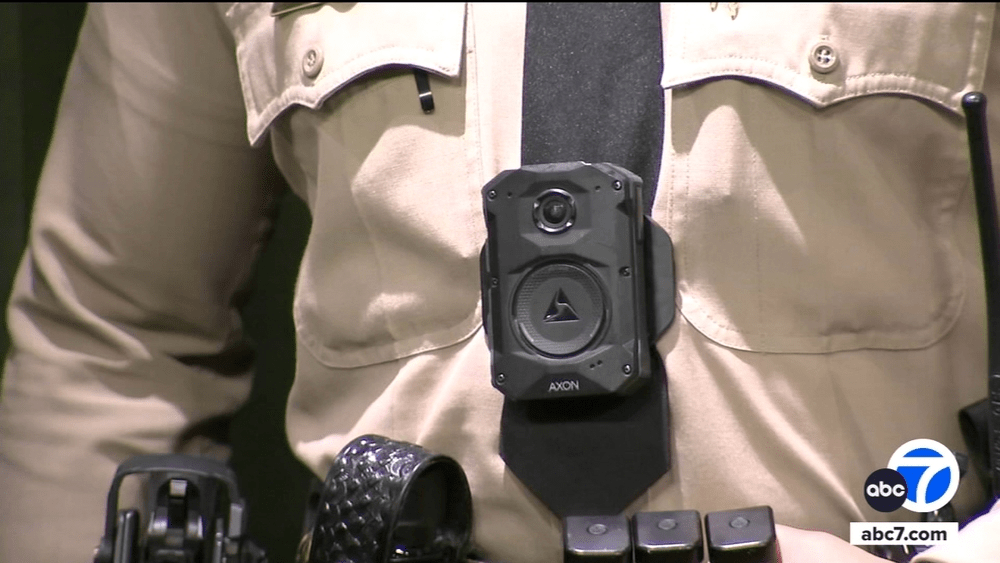
Los Angeles County Sheriff Robert Luna is rolling out the largest expansion of body-worn cameras (BWCs) in the history of the county jail system — but residents in Santa Clarita Valley will have to wait until mid-2026 before the technology reaches their local facility, the Pitchess Detention Center, which houses more than 4,300 inmates.
The announcement, made during a livestreamed press conference, comes as the nation’s biggest jail system faces mounting criticism, a new state lawsuit alleging “inhumane conditions,” and a rising number of preventable inmate deaths. While Luna touts the move as a step toward transparency and safety, delays for rural and suburban facilities raise questions about whether accountability improvements are being applied equitably across Los Angeles County.
A Major Rollout — But Only for Some Jails
The BWC program officially launched on October 1, 2025, covering four major downtown facilities:
- Men’s Central Jail
- Twin Towers Correctional Facility
- Inmate Reception Center
- Century Regional Detention Facility
So far, 1,000+ deputies have been trained, with 70–100 more expected to complete training each week.
But Pitchess Detention Center in Castaic, one of the county’s largest complexes, is not part of the first phase despite its history of high-risk incidents, including a 2023 event where 17 inmates required medical care after an unidentified emergency — a case still without full public explanation.
Luna says Pitchess will be in the “next wave,” once infrastructure upgrades are completed.
LASD spokesperson Nicole Nishida confirmed:
“Construction and infrastructure upgrades to support this expansion are underway and are expected to be completed by mid-2026.”
Translation for Santa Clarita Valley residents: the modern transparency tools that downtown facilities are getting today won’t be in their backyard for at least six more months, possibly longer.
Why Body Cameras Are a Big Deal Inside Jails
Current jail surveillance relies heavily on fixed, elevated closed-circuit cameras. These have:
- No audio
- Limited depth perception
- Poor visibility for investigations
- Blind spots during use-of-force incidents
In contrast, body-worn cameras offer:
- Audio recordings
- Ground-level perspective
- Full documentation of staff-inmate interactions
- Automatic activation whenever a deputy unholsters a Taser 10
The integration with the new Taser 10 model is already producing results. LASD reports:
- 3 out of 5 potential force incidents de-escalated from just the Taser warning
- Cameras automatically record whenever Tasers are drawn
- Greater accuracy reduces injuries for deputies and inmates
Early Data: Force Incidents Already Down
LASD says the cameras are working.
- July (before cameras): 102 use-of-force incidents
- October (first full month): 69 incidents
That’s a 32% drop, following a 20% reduction earlier this year as deputies prepared for implementation.
Luna argues that cameras deter both misconduct and false accusations:
“This is a significant step toward ensuring a safer custodial environment for both our staff and those we are entrusted to care for.”
But advocates and attorneys caution that technology alone cannot fix deeper structural and cultural failures inside LASD’s jail system.
The Bigger Picture: LASD Faces a Massive DOJ Lawsuit
The timing of this announcement is not accidental.
In September 2025, California Attorney General Rob Bonta sued Los Angeles County, LASD, and County Correctional Health Services for alleged constitutional violations stemming from:
- Overcrowding
- Rat infestations and unsanitary conditions
- Inadequate mental health and medical care
- Preventable inmate deaths
- “Deliberate indifference” to safety and civil rights
Nearly 40% of all jail deaths from 2016–2025 were medically preventable, according to data cited in the lawsuit.
The DOJ says cameras are helpful — but nowhere near enough.
The suit seeks:
- Mandated staffing increases
- Expanded medical treatment (especially for withdrawals and overdoses)
- Overhauled grievance processes
- Independent monitoring
In other words: technology comes second to basic health, safety, and oversight reforms that have been neglected for decades.
Undercovered Angle: Why Is Pitchess Last in Line?
Pitchess houses one-third of LASD’s total inmate population. Yet:
- It was not included in the first rollout
- Infrastructure upgrades were not prioritized
- Prior incidents and community concerns remain unresolved
- Rural and suburban facilities often receive less attention from county leadership
For Santa Clarita Valley residents, this raises legitimate questions about regional equity:
Are downtown jails receiving reforms first simply because they get more media coverage?
Is Pitchess being deprioritized because it’s far from Los Angeles’s political center?
These are questions LASD has not directly answered.
The Cost: $14 Million Upfront + $26 Million a Year
The camera rollout is expensive:
- $14 million in startup and training costs
- $26 million annually for maintenance
Given LASD’s long history of multimillion-dollar settlements for excessive force, wrongful deaths, and civil rights violations, taxpayers want to know whether this investment will reduce lawsuits or simply become another expensive but insufficient reform.
What Remains Unclear: Transparency and Access to Footage
While LASD praises the cameras, several critical questions remain unanswered:
- How long will footage be stored?
- Will families of inmates have access in cases of injury or death?
- Will the public — or journalists — be able to obtain footage via CPRA?
- What penalties exist if deputies deactivate, block, or fail to activate cameras?
- Will footage be automatically preserved in use-of-force or death investigations?
Given LASD’s history of:
- Missing or incomplete footage
- Delayed video releases
- Withholding evidence in prior cases
…concerned citizens are right to demand clarity.
Why This Matters for Concerned Citizens
For Santa Clarita and Los Angeles County residents, the issues extend far beyond cameras:
- Safety: Use-of-force incidents and inmate deaths remain high.
- Accountability: Cameras help, but only if the footage is accessible and policies are enforced.
- Equity: Downtown jails receive reforms faster than suburban ones like Pitchess.
- Fiscal Responsibility: Taxpayers are funding a system that continues to generate lawsuits and federal intervention.
- Transparency: Cameras must not become another tool used selectively or hidden when politically inconvenient.
Until the public sees consistent transparency — including from facilities outside downtown L.A. — questions will remain about whether LASD is reforming or simply rebranding.
Support Independent Journalism
California Bay News is part of the Bay News Media Network — a growing group of independent, reader-supported newsrooms covering government accountability, courts, public safety, and institutional failures across the country.
Support independent journalism that isn’t funded by political parties, corporations, or government agencies
Submit tips or documents securely — if you see something wrong, we want to know
Independent reporting only works when readers stay engaged. Your attention, tips, and support help keep these stories alive.
 California Bay News
Leave a comment