By Michael Phillips | CABayNews
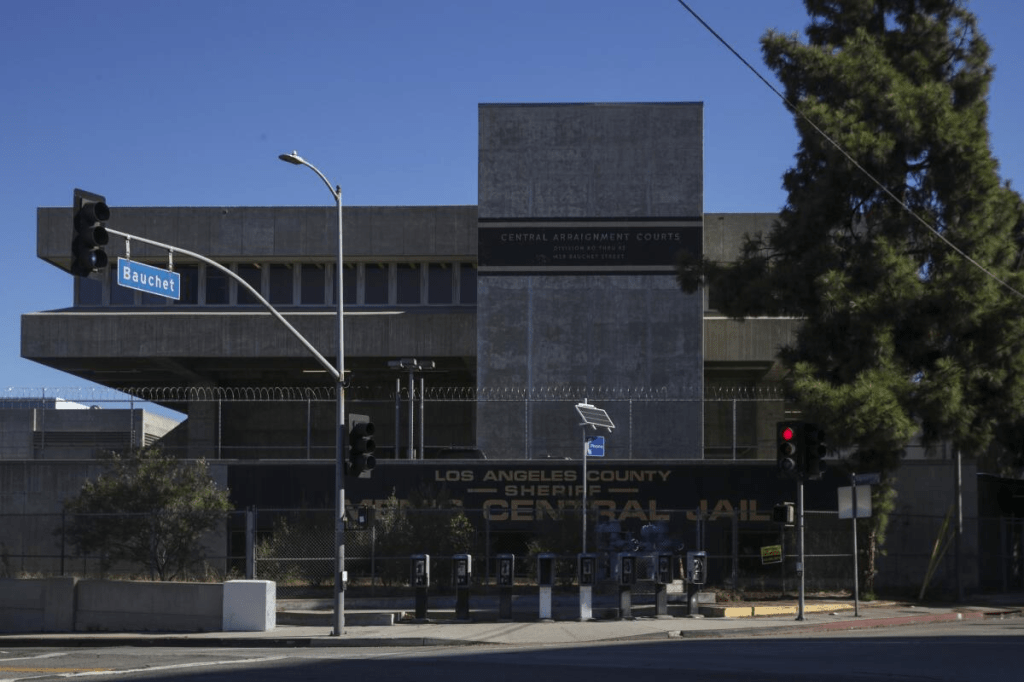
California Attorney General Rob Bonta has launched one of the most aggressive legal actions in state history against a local law-enforcement agency, filing a sweeping lawsuit accusing the Los Angeles County Sheriff’s Department (LASD) and County Correctional Health Services of running a jail system plagued by “inhumane” and “unconstitutional” conditions.
The lawsuit — more than 100 pages long — paints a grim portrait of life inside facilities like Men’s Central Jail, Twin Towers, and the Pitchess Detention Center. It alleges everything from rodent infestations and medical neglect to preventable deaths and deliberate indifference to inmate safety.
But while headlines have focused on LASD’s failures, what is not being discussed is just as important: the state’s own long history of deflecting responsibility, the political timing, and whether this lawsuit seeks actual reform or simply expands Sacramento’s oversight power over local law enforcement.
The Lawsuit: What California Claims Is Happening Inside L.A. County Jails
According to the complaint, filed September 8, 2025, the State of California alleges:
Systemic health and safety breakdowns
- Overcrowded units and uninhabitable cells
- Rat and roach infestations
- Mold, sewage backups, and unsanitary food
- Extreme temperatures, with no AC during major heat events
Failing medical systems
- Delays in screening, diagnosis, and treatment
- Restricted access to opioid withdrawal medications
- Inmates going months without mental-health evaluations
- Excessive reliance on solitary confinement as a default “treatment”
Preventable deaths
The complaint claims that 37–40% of jail deaths between 2016–2025 were preventable, including suicides, overdoses, and untreated medical emergencies.
Documented examples include:
- A man who hanged himself on camera while deputies failed to intervene
- An inmate found covered in sores, severely anemic, and unbathed before dying
- A mass overdose outbreak in a housing unit due to delayed response and lack of medication
Neglected grievances and retaliation
The lawsuit says inmate complaints are regularly ignored or punished — making internal accountability impossible.
Why Now? The Untold Political Context
This lawsuit didn’t appear in a vacuum.
1. California has been monitoring LASD for decades
LASD has been under federal and state supervision since the 1990s. Sacramento has had 30 years of chances to fix the jail system — and repeatedly failed.
2. The lawsuit comes just as public pressure on Bonta skyrockets
California voters have grown increasingly concerned about:
- Crime
- Homelessness
- Drug overdoses
- Declining confidence in the justice system
Taking aim at LASD — a high-profile target — allows state leaders to shift blame toward local agencies.
3. California itself is responsible for overcrowding
A significant share of the jail population stems from:
- State sentencing laws
- Bail reforms
- Reclassification of offenders
- Delays in state hospital transfers for mentally ill inmates
The state calls the conditions “inhumane,” but its own policies helped create them.
4. The lawsuit strengthens Sacramento’s control
If successful, the remedy will likely include:
- State-appointed monitors
- Court-ordered reporting
- Mandatory reforms
- Possible takeovers of major jail functions
This expands the power of the Attorney General’s office dramatically — something critics argue Bonta has sought for years.
LASD’s Response: “The Lawsuit Relies on Outdated Information”
Sheriff Robert Luna has pushed back, saying:
- Many of the lawsuit’s examples predate his leadership
- LASD has already launched major reforms
- A $100M suite of safety initiatives is underway
- Body-worn cameras have already reduced use-of-force incidents by 20–30%
- The department has “cooperated fully” with state investigators
LASD argues the DOJ failed to acknowledge real improvements, such as:
- Medication-Assisted Treatment (MAT) expansion
- A new suicide-prevention initiative
- Additional medical staff hires
- The rollout of Taser 10s and body-worn cameras
Still, even supporters of the Sheriff acknowledge: MCJ and Twin Towers are structurally outdated and physically deteriorating — no amount of reform can fix decades of neglect.
The Human Toll: Inmates and Deputies Both Suffer
The public often forgets that jail conditions impact two groups, not one:
Inmates
- Lack safe housing
- Face slow medical response
- Live with untreated addiction
- Endure violence and overcrowding
Deputies
- Work in dangerous, understaffed environments
- Face high assault rates
- See more overdoses and mental crises than ever
- Are blamed for systemic breakdowns they didn’t create
Even the DOJ acknowledges that understaffing is a major driver of failures — an issue worsened by:
- Hiring freezes
- Anti-law-enforcement political climates
- Los Angeles County budget constraints
- Rising attrition among deputies
Where the Lawsuit Falls Short
While the state’s claims are serious, several key issues are missing from the public conversation:
1. Sacramento helped create the jail crisis.
Through sentencing reforms, COVID-era decarceration, and diversion programs that sent unstable individuals back into communities — only for them to cycle into county jails unprepared — the state contributed to overcrowding and chaos.
2. The lawsuit does not fix structural failures.
Men’s Central Jail was slated for closure in 2020. It is still open.
Pitchess is outdated.
Twin Towers cannot handle the mental-health population it houses.
California has no replacement facilities ready.
3. The state offers no funding solution.
The lawsuit demands reforms but does not commit to paying for:
- Infrastructure upgrades
- Staffing increases
- Medical expansions
- Safer facilities
4. No timeline for resolution
The state seeks injunctive relief, which could drag on for years — leaving inmates and deputies in the same broken conditions.
What Comes Next?
The lawsuit is in early litigation. Potential outcomes include:
✔ Court-mandated reforms
Staffing ratios, medical protocols, grievance timelines, and use-of-force rules.
✔ Federal or state monitors
Long-term oversight costing taxpayers millions.
✔ Facility closures or partial shutdowns
If MCJ or Pitchess are deemed unsafe.
✔ Increased taxpayer burden
Reforms without funding guarantees could strain county budgets already stretched thin.
✔ Political fallout
Local officials blame the state.
State officials blame LASD.
And the public remains stuck in the middle.
Why This Matters for Concerned Citizens
Californians should watch this lawsuit closely because it affects:
Public Safety
Sick, unstable, untreated inmates eventually re-enter communities.
Costs
Taxpayers will foot the bill for new mandates, monitors, and lawsuits.
Accountability
Both the state and county bear responsibility — and neither wants to say it.
Transparency
Claims of “reform” mean little without access to data, footage, and outcomes.
Equity
Jails like Pitchess, serving Santa Clarita Valley, are historically under-scrutinized — yet house some of the largest inmate populations.
 California Bay News
Leave a comment